
Our Latest Blogs
Plastic Seals Manufacturers in Virar, Palghar
Our Latest Blogs August 29, 2026Plastic Seals Manufacturers in Vasai East, PalgharOur Latest Blogs August 21, 2026Security Seals Manufacturers in
Plastic Seals Manufacturers in Vasai East, Palghar
Our Latest Blogs Categories Plastic Seals → Wire Seals → Cable Seals → Bolt Seals → Plastic Seals Manufacturers in
Security Seals Manufacturers in Vasai East, Palghar
Our Latest Blogs Categories Plastic Seals → Wire Seals → Cable Seals → Bolt Seals → The Importance of Choosing
Categories
The Ultimate Guide to Security Seals in Logistics: Why They Matter in the Supply Chain
In today’s fast-paced commercial world, ensuring that goods reach their destination safely, securely, and untampered is a massive operational challenge. Every day, millions of dollars worth of cargo moves across complex global networks. Without proper safeguards, these shipments face serious vulnerabilities like theft, pilferage, and unauthorized access.
This is where the strategic use of Security Seals in logistics becomes critical. While they may seem like small, simple components in a massive supply chain network, they are actually powerful tools. They help businesses maintain absolute trust, prevent catastrophic financial loss, and establish clear accountability across the entire transit process.
What Are Security Seals?
At their core, Security Seals are tamper-evident devices engineered to secure shipping containers, trucks, cargo boxes, chemical drums, and storage units.
Unlike traditional padlocks, which can often be picked or bypassed without leaving an obvious trace, these seals are designed for a single-use lifecycle. Once they are correctly applied and locked, they cannot be opened or adjusted without being physically destroyed or showing undeniable, visible signs of tampering.
Key Takeaway: A Security Seal’s primary job is not just to act as a heavy physical barrier, but to serve as a high-visibility psychological deterrent and an unalterable indicator of unauthorized entry.
Understanding the Different Types of Security Seals in Logistics
Different transit environments require different levels of physical strength and material design. Choosing the correct tool is vital for maintaining the integrity of your Security Seals in logistics protocols.
Here is a clean breakdown of the primary seals used across modern industries:
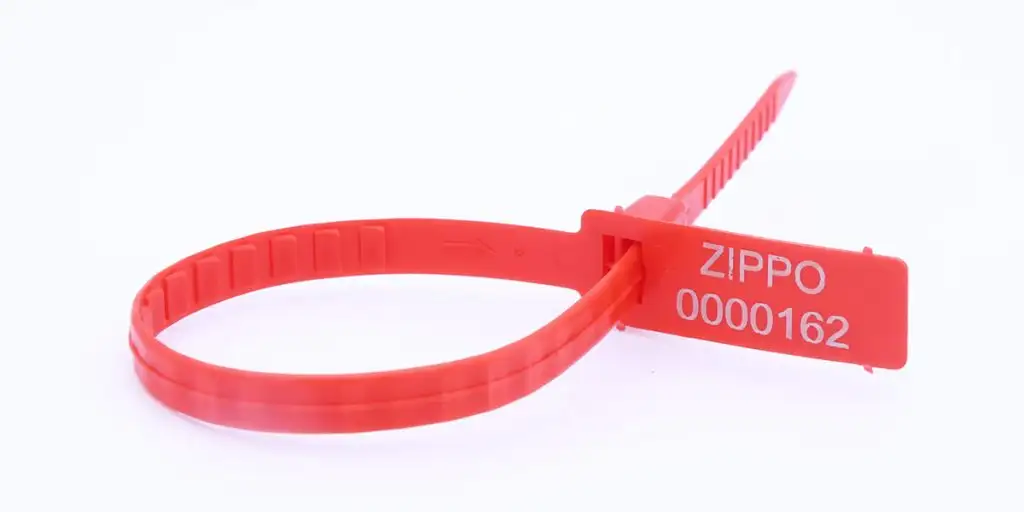
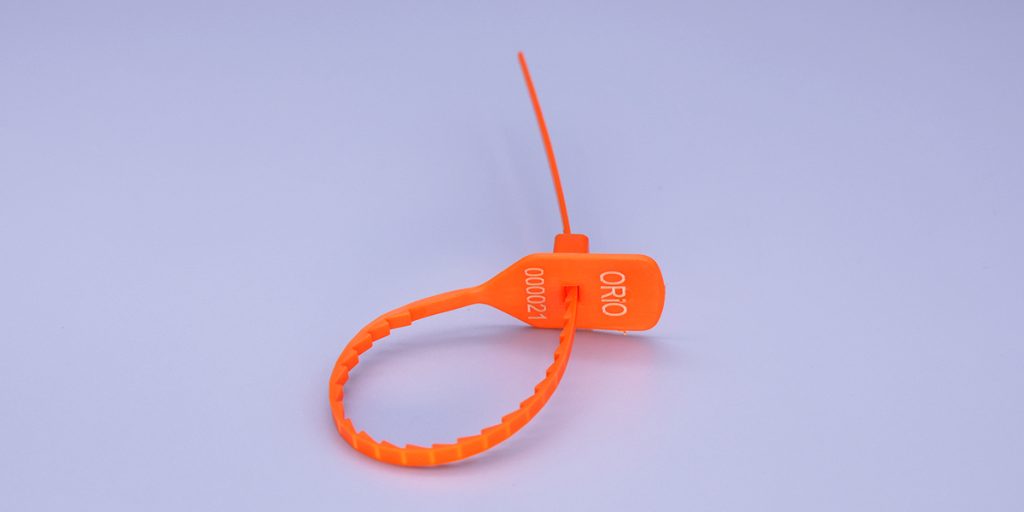
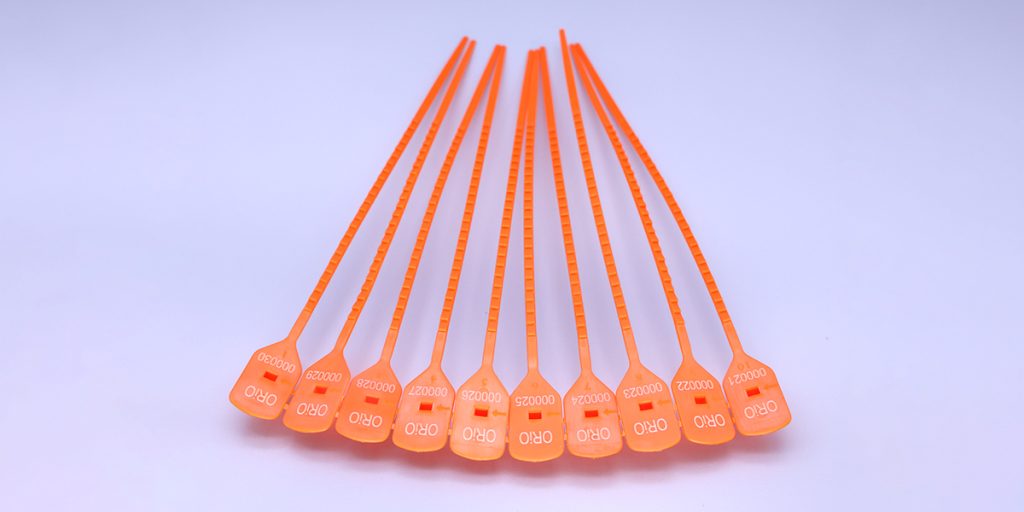
1. Plastic Security Seals
- Material Design: Made from high-grade polypropylene or nylon materials, often reinforced with metal locking mechanisms inside.
- Physical Strength: Lightweight, flexible, and easily removed with simple cutting tools or heavy-duty scissors.
- Best Suited For: Airline catering carts, courier packages, retail return bags, first-aid kits, and light commercial transit.
- How They Work: They typically feature a smooth or serrated strap that pulls tight through a locking chamber, adjusting perfectly to different closure sizes.
2. Wire Seals
- Material Design: Constructed using a durable plastic or metal body paired with a flexible, multi-strand galvanized or stainless-steel wire cable.
- Physical Strength: Highly resistant to extreme weather conditions and chemical exposure; requires specialized wire cutters to break.
- Best Suited For: Utility meters (electricity, gas, water), chemical drums, fuel tankers, and valves.
- How They Work: The wire is threaded through small openings on the target equipment and twisted or crushed into place using an internal locking mechanism.
3. Cable Seals
- Material Design: Equipped with an adjustable, high-tensile steel cable connected to a heavy-duty aluminum or zinc alloy locking head.
- Physical Strength: Exceptionally high strength and tamper resistance. They are classified as semi-barrier or high-security tools depending on the cable diameter.
- Best Suited For: Intermodal railway cars, heavy machinery transit, high-value electronics shipments, and complex industrial container latches.
- How They Work: The cable is pulled through the locking body in one direction. Internal locking rings grip the steel strands, preventing the cable from being pulled back out.
4. Bolt Seals
- Material Design: The ultimate heavy-duty barrier seal, consisting of a solid steel pin and a matching metal locking cap wrapped in high-impact ABS plastic.
- Physical Strength: Extremely high structural strength. They are specifically classified as “High Security” under international regulations and require heavy-duty bolt cutters to remove.
- Best Suited For: Ocean freight containers, cross-border shipping trailers, and international logistics.
- How They Work: The solid steel bolt goes through the locking bars of a container door, and the cap clicks permanently onto the pin. The seal is spin-proof to prevent laser-cutting or friction-tampering bypasses.
Quick-Reference Comparison Matrix
To help your team quickly scan and select the right tools for your standard operations, here is a clean summary:
| Seal Type | Security Level | Material Base | Removal Tool Required | Primary Application |
|---|---|---|---|---|
| Plastic Seals | Indicative (Low) | Polypropylene / Nylon | Hand Scissors / Knife | Courier bags, airline carts, retail returns |
| Wire Seals | Indicative to Medium | Plastic & Steel Wire | Wire Cutters | Utility meters, fuel tankers, storage drums |
| Cable Seals | Medium to High | High-Tensile Steel | Heavy Wire Cutters | Rail cars, industrial valves, heavy cargo |
| Bolt Seals | High Security | Hardened Carbon Steel | 24-Inch Bolt Cutters | Maritime shipping, cross-border trailers |
Why Security Seals in Logistics Matter: 5 Core Benefits
In a global supply chain network, deploying Security Seals in logistics is far more than just hanging plastic or metal pieces off a door latch. They are legally binding indicators of cargo custody and the primary defense for your brand’s bottom line.
Below are the five core reasons why implementing a strict sealing protocol is essential:
1. Instant, Undeniable Tamper Evidence
If a shipment is opened, manipulated, or even slightly disturbed during transit, a high-quality Security Seal provides immediate, irreversible visual evidence.
- Color Stressing: High-quality plastics show immediate white stress marks if twisted or picked.
- Fraying Cables: Steel cables are wound tightly; if cut and glued back together, they immediately unravel, exposing the breach.
- Instant Verification: Receiving dock managers can quickly glance at the seal to confirm whether a cargo container was compromised on the road.
2. Powerful Theft Deterrent
Opportunistic theft relies on speed and anonymity. A clearly visible, laser-marked Security Seal acts as an immediate psychological barrier.
- Risk Multiplication: Criminals, warehouse handlers, and corrupt drivers know that breaking a traceable seal instantly triggers an audit at the receiving point.
- Target Avoidance: Cargo with clear, unbroken, serialized seals is much harder to pilfer subtly, forcing thieves to look for easier, unsealed targets.
3. Absolute Accountability and Tracking
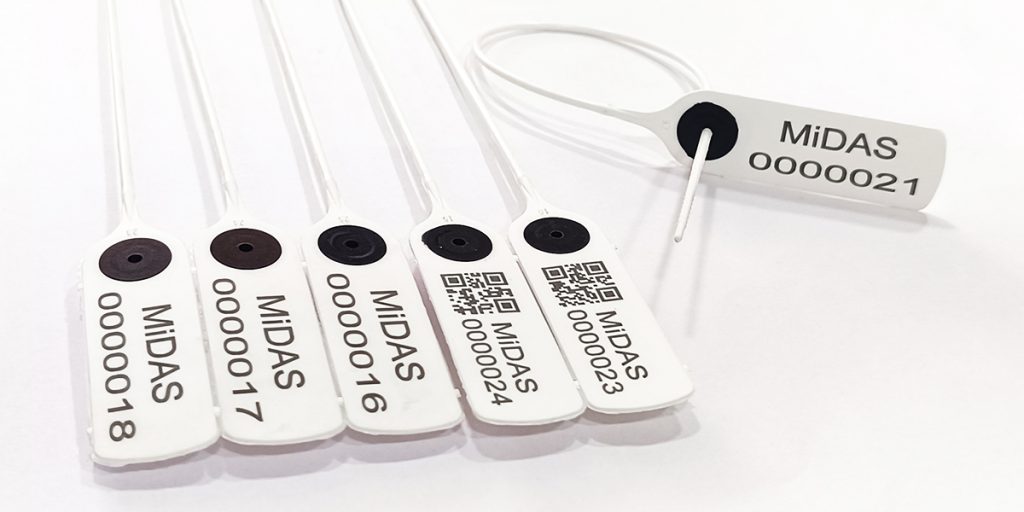
Modern Security Seals do not just lock; they communicate. Every single seal manufactured carries a unique identification system.
- Laser Marking: Unique serial numbers, alphanumeric prefixes, company logos, and high-density barcodes are etched directly into the material.
- Chain of Custody: The unique number is logged into the shipping manifest at the origin point. At every stop, the number must match perfectly. If the number changes or a digit is off, the exact window of liability is instantly discovered.
4. Strict Regulatory Compliance
For companies engaging in international trade, Security Seals are a mandatory legal requirement, not an optional feature.
- ISO 17712 Standards: International customs require all global maritime containers to be sealed with ISO 17712 certified “High Security” bolt or cable seals.
- Customs Programs: Adherence to security frameworks like C-TPAT (Customs-Trade Partnership Against Terrorism) relies entirely on verified, documented sealing practices to bypass extensive border inspection delays.
5. Preserving Brand Trust and Consumer Safety
When a client receives a shipment with an intact, authentic seal, it provides complete peace of mind.
- Contamination Prevention: Crucial for the food, beverage, and pharmaceutical industries where unsealed cargo can lead to total product rejection due to contamination risks.
- Brand Integrity: Ensuring that the original products leave your factory floor and reach the end-user exactly as intended, without grey-market swapping or counterfeit introduction.
The Role of Security Seals at Every Stage of the Supply Chain
Security is not a single checkpoint it is an end-to-end process. Security Seals provide continuous oversight from production to final mile delivery.
Stage 1: Production and Batch Packaging
The security cycle begins the moment products leave the assembly line.
- Finished goods are packed into crates, pallets, or totes and sealed before moving to the staging area.
- This stops internal shrinkage and prevents employees from tampering with bulk packages before they are logged into the warehouse system.
Stage 2: Inland and International Transportation
This is the most vulnerable phase of the logistics loop, where cargo sits in highway rest stops, rail yards, or seaport docks.
- Truck doors, intermodal containers, and tanker valves are locked tight using heavy-duty bolt or cable seals.
- Drivers verify the physical presence of the seal at every rest stop to ensure no roadside breaches occurred while they were away from the vehicle.
Stage 3: Warehousing and Inventory Auditing
Inside large distribution centers, stock is constantly shifted, organized, and accessed by various shifts.
- High-value cages, chemical storage zones, and cross-docking bays are managed using specialized indicator seals.
- During routine inventory audits, stock managers verify seal numbers to confirm that long-term storage units have remained completely untouched since their last inspection.
Stage 4: Final Mile Delivery and Customer Handoff
The final proof of a successful supply chain is delivering uncompromised goods directly to the customer.
- The delivery driver presents the manifest, and the customer verifies that the seal number matches the original paperwork exactly.
- Once the customer signs off on the intact seal, legal liability transfers smoothly, and the seal is cut open safely using proper tools.
How to Choose the Right Seal for Your Business
Using a high-security bolt seal on a light courier bag is an expensive waste; conversely, using a simple plastic seal on an international shipping container is a dangerous security failure.
To select the perfect option for your operational needs, ask your team these three foundational questions:
1. What is the Weight and Value of the Cargo?
- High-Value / Heavy Assets: Electronics, bulk machinery, pharmaceuticals, and chemical shipments demand heavy-duty, barrier-class bolt seals or cable seals.
- Low-Value / High-Volume Assets: Document pouches, retail apparel boxes, and food service carts are perfectly served by cost-effective plastic pull-tight seals.
2.What is the Transport Medium and Environment?
- Ocean & Rail Freight: Exposed to extreme salt water, rust, shifts in balance, and long unsupervised delays. Hardened steel bolt seals are mandatory here.
- Local Delivery Trucks: Frequent multi-stop deliveries require flexible, easily tracked wire seals or quick-release plastic seals to keep delivery schedules moving efficiently.
3. What Regulatory Standards Must You Meet?
- If your cargo is crossing international borders or entering US/EU ports, verify if you legally require ISO 17712 certified seals.
- Domestic transport often gives you more flexibility to focus on custom branding, color-coding, and barcode systems.
Frequently Asked Questions (FAQ) :
Q1: What is the main purpose of Security Seals in logistics?
Ans : They provide clear, tamper-evident proof of unauthorized access and act as a powerful theft deterrent for cargo in transit.
Q2: Which Security Seal should be used for international shipping containers?
Ans : International ocean freight containers require high-security bolt seals or cable seals that strictly comply with ISO 17712 standards.
Q3: Can Security Seals be reused after they are cut off?
Ans : No, all high-quality Security Seals are engineered for single-use and are permanently destroyed upon removal to prevent reuse.
Q4: How do tracking numbers on Security Seals improve supply chain safety?
Ans : Each seal features a unique, laser-engraved serial number or barcode that establishes an unalterable chain of custody during transit.
Q5: What industries benefit most from using Security Seals?
Ans : They are essential across transport, logistics, shipping, pharmaceuticals, chemical distribution, manufacturing, and agriculture.
Connect With Our Security Experts
 Website: https://protoseals.com/
 Phone: +91 8793853797
 Email: sales@protoseals.com
 Address: B-14, Princess Apt., Vrindavan Complex, Evershine City Gate, Vasai Road (East), Palghar: 401208. Maharashtra. India.
Conclusion: Small Tools with a Bottom-Line Impacty
In the massive world of logistics and supply chain infrastructure, it is easy to focus only on big investments like fleet tracking software, warehouse automation, and route optimization. However, a single security failure can erase all those efficiency gains in an instant.
By understanding the distinct materials, selecting clear tracking options like laser-etched barcodes, and enforcing strict “outbound logging and inbound inspection” protocols, your business can significantly reduce inventory loss and secure your assets.
Security Seals are relatively inexpensive tools, yet they carry an enormous protective impact. They guard your profits, eliminate legal disputes over cargo liability, satisfy international customs agencies, and shield your brand’s reputation from the fallout of theft or contamination.
At Protoseals, we engineer a comprehensive line of high-precision, tamper-evident solutions—ranging from light, custom-colored plastic seals to rugged, certified high-security bolt and cable designs. No matter your industry, our products are crafted to meet rigid global standards, giving your logistics team the confidence it deserves.