
Our Latest Blogs
Trusted Heavy Duty Bolt Seal Dealers in Amritsar
Our Latest Blogs September 7, 2026Trusted Security Seals Manufacturers in HyderabadOur Latest Blogs September 2, 2026Cable Seals Manufacturer in Virar,
Trusted Security Seals Manufacturers in Hyderabad
Our Latest Blogs Categories Plastic Seals → Wire Seals → Cable Seals → Bolt Seals → Trusted Security Seals Manufacturers
Cable Seals Manufacturer in Virar, Palghar
Our Latest Blogs Categories Plastic Seals → Wire Seals → Cable Seals → Bolt Seals → Cable Seals Manufacturer in
Categories
Bolt Container Seal 8mm: Your Ultimate Guide to Secure Cargo Transportation
In the global logistics and cargo transportation industry, security is not just an option it is a critical necessity. Whether you are shipping high-value electronics across international waters or moving bulk agricultural goods via freight trailers, your cargo faces a constant threat from opportunistic theft, organized pilferage, and unauthorized tampering. A single security breach can lead to massive financial losses, insurance complications, and severe damage to your business reputation.
To combat these risks, supply chain managers rely heavily on physical security barriers. Among the most trusted, dependable, and widely used tools in modern freight logistics is the Bolt Container Seal 8mm.
This comprehensive guide will break down everything you need to know about this essential high-security device. We will look at its design, technical features, regulatory compliance standards, and the best practices for implementing it into your everyday shipping operations.
Understanding the Bolt Container Seal 8mm
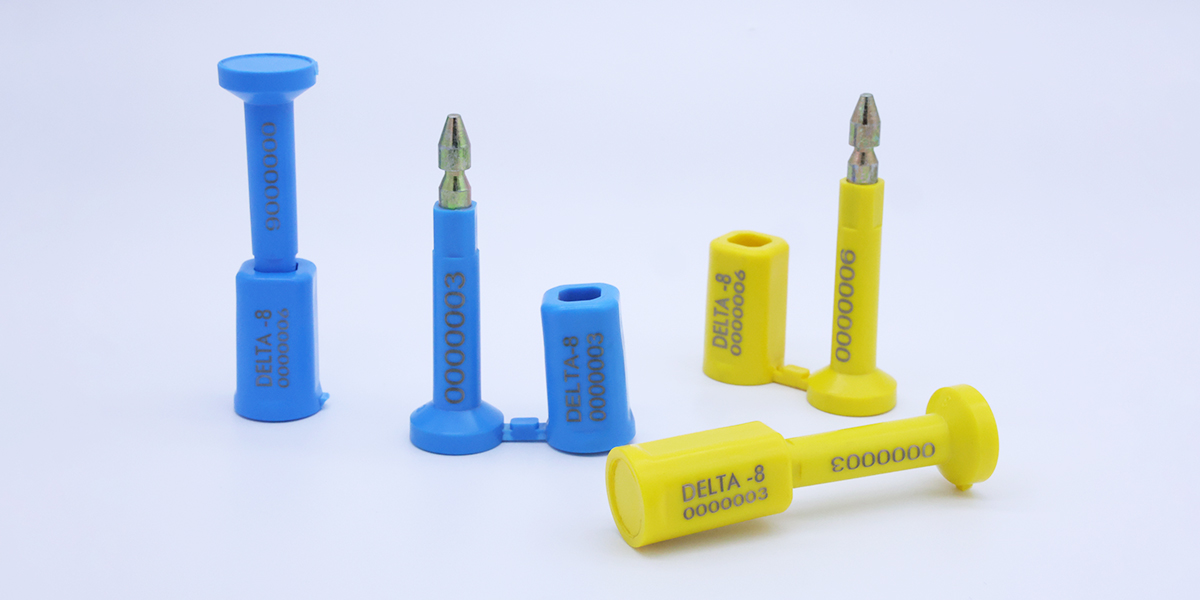
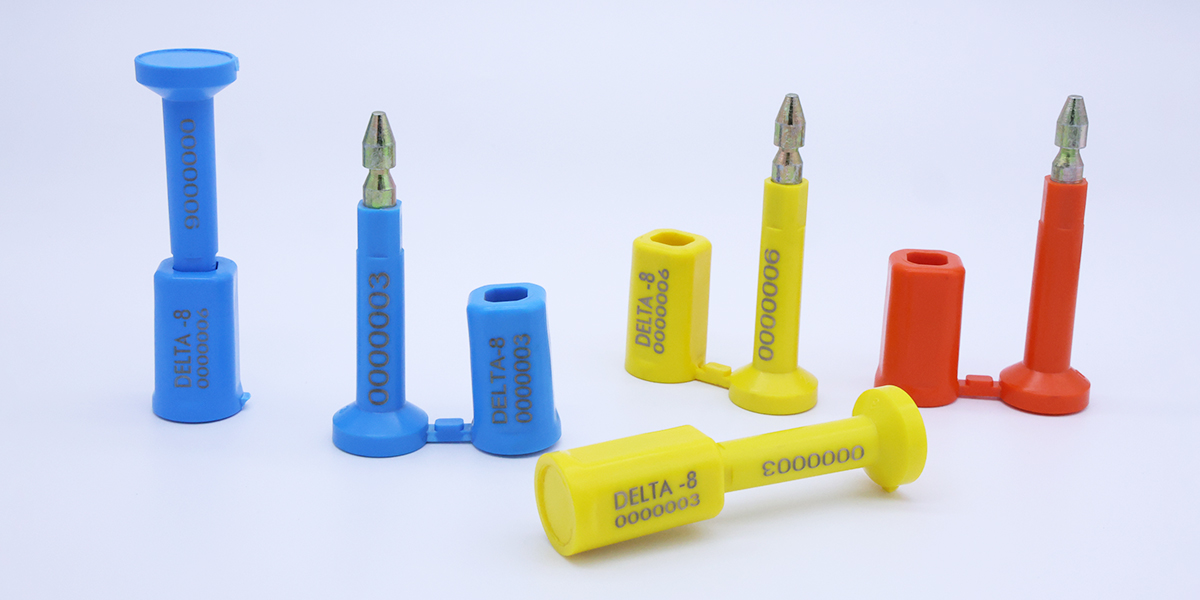
A Bolt Container Seal 8mm is a heavy-duty, heavy-gauge mechanical locking device designed specifically to secure the door locking rods of shipping containers, intermodal boxes, and truck trailers. Unlike basic plastic indicative seals or wire seals that merely show signs of entry, a bolt seal functions as a heavy physical lock and a tamper-evident tracker rolled into one single component.
The seal consists of two primary matching parts:
- The Solid Metal Pin: A high-tensile carbon steel bolt that measures exactly 8mm in diameter along its main shaft.
- The Locking Bush/Barrel: A reinforced steel locking chamber encased in a tough, impact-resistant ABS plastic shell.
When the metal pin is pushed into the locking barrel, an internal spring-steel locking ring snaps permanently into a groove on the bolt shaft. Once engaged, the two parts cannot be pulled apart. The lock is completely irreversible, meaning the only way to remove it at its destination is by cutting the thick steel bolt with heavy-duty industrial bolt cutters.
Why the 8mm Diameter Matters
In the Security Seal manufacturing industry, dimensions dictate strength. The choice of an 8mm pin diameter is intentional and serves structural purposes:
- Shear Strength: The 8mm thickness provides immense resistance against physical pulling forces and heavy impacts during rough transit conditions.
- Tool Resistance: Standard hand tools like small pliers, wire cutters, or crowbars are completely useless against an 8mm hardened steel pin. It requires specialized, long-handled mechanical bolt cutters to slice through.
- Anti-Spin Protection: Many premium 8mm bolt seals feature an advanced anti-spin design. This ensures that if a thief attempts to spin the locking barrel at high speeds using a power drill to wear down the internal locking rings, the mechanism locks up tightly to prevent friction-based tampering.
Key Features and Benefits
When evaluating security options for your fleet or shipping lane, understanding the specific engineering features helps justify the investment. Below are the primary advantages of utilizing an 8mm bolt container seal:
1. High-Grade Security and Deterrence
- Rugged Construction: Made from galvanized carbon steel wrapped in protective polymer plastic, these seals are built to withstand extreme weather, salt water, and physical abuse.
- Psychological Barrier: Criminals looking for an easy target will bypass shipping containers fitted with thick, brightly colored bolt seals, as they know breaching them requires heavy tools, time, and noise.
- Tamper-Evident Design: The outer ABS plastic shell blushing or cracking provides immediate, visible proof if someone has attempted to hammer, smash, or chemically alter the seal.
2. Fast and Error-Free Application
- Tool-Free Locking: Operators do not need specialized machinery or keys to lock the container. The pin is pushed manually into the barrel until a distinct “click” is heard and felt.
- Dual Numbering: For maximum accuracy, both the steel pin and the locking barrel are laser-etched with matching serial numbers. This prevents a common fraud tactic where a thief cuts a pin and replaces it using a different barrel.
3. Advanced Customization and Traceability
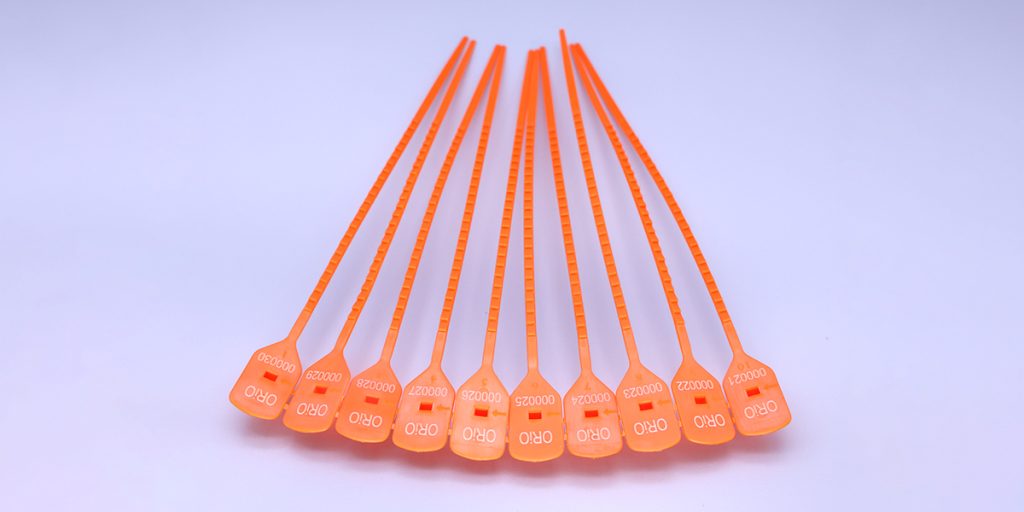
- Primary Examples: Smooth-tail plastic seals, pull-tight security ties, and tamper-evident adhesive labels.
- Material Build: Light polypropylene or nylon plastic components.
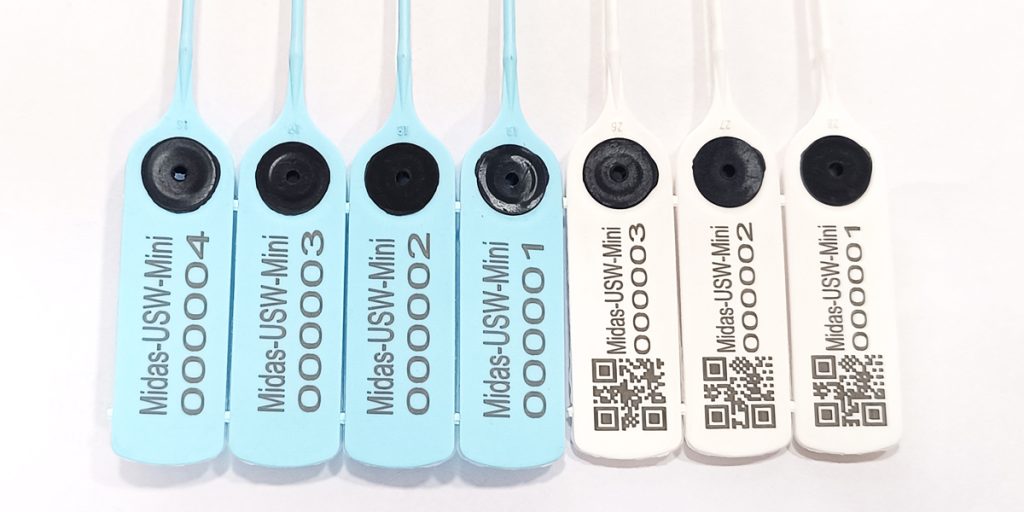
- Laser Engraving: Modern manufacturing allows for high-contrast, permanent laser marking on the ABS plastic surface. This markings cannot be rubbed off, scratched, or painted over.
- Brand Visibility: Companies can print their custom logos, corporate colors, and specific alphanumeric sequencing directly onto the seal body.
- Barcode Integration: Many logistics providers choose to add 1D or 2D barcodes to the seal. This enables warehouse staff to scan the seal instantly using mobile devices or inventory scanners, completely eliminating manual data-entry errors.
4. Global Regulatory Compliance
- ISO 17712 Certification: High-quality 8mm bolt seals are tested and certified under the ISO 17712:2013 standard for “High Security Seals.”
- C-TPAT Acceptance: This certification makes them fully compliant with Customs-Trade Partnership Against Terrorism (C-TPAT) initiatives, which is a mandatory requirement for clearing customs smoothly at international borders, particularly in the United States and European ports.
5. Highly Cost-Effective Protection
- Low Unit Cost: Despite their structural strength, bolt seals are remarkably affordable when purchased in bulk quantities.
- Massive ROI: Spending a minor amount on a verified high-security bolt seal can prevent thousands of dollars in cargo loss, cargo contamination claims, and insurance deductible spikes.
Comparing Container Seal Types
Depending on your specific transportation mode and security tier, you might use different types of seals. Here is how the 8mm Bolt Seal stacks up against other options like plastic pull-tight seals, wire seals, or heavy cable seals:
| Seal Type | Physical Strength Tier | Main Application | Tamper Evidence Method | Removal Tool Required |
|---|---|---|---|---|
| Plastic Seals | Low (Indicative Only) | Fire extinguishers, catering carts, tote boxes | Broken plastic strap | Hand tear or standard scissors |
| Wire / Twine Seals | Low to Medium | Utility meters, small valves, fuel tank caps | Cut wire strands | Wire cutters / shears |
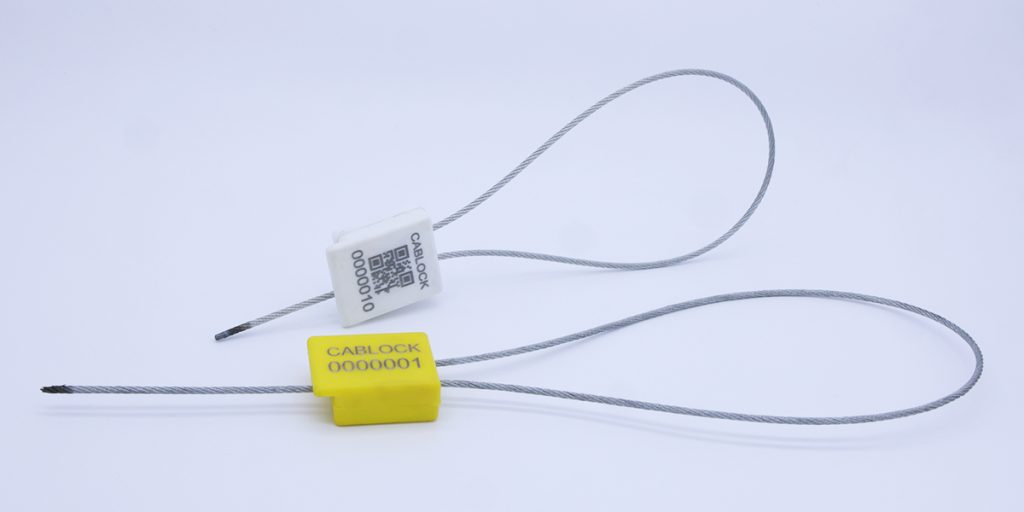
| Cable Seals | Medium to High | Rail cars, irregular door latches, valve locking | Frayed internal steel cable | Cable cutters |
| 8mm Bolt Seals | Very High (Security Barrier) | Ocean freight containers, cross-border trucks | Split plastic shell, mismatched serial numbers | Heavy-duty bolt cutters |
Best Practices for Usage and Application
A security tool is only as good as the human protocols supporting it. Even the strongest 8mm bolt seal can fail to protect your cargo if your staff applies it incorrectly or neglects record-keeping. Follow these rigorous corporate operational guidelines to maximize your cargo defense:
Step-by-Step Application Protocol
1.Inspect the Unused Seal: Pre-locking Check.
Before putting the seal on the door, verify that the pin and barrel are clean, unmarred, and share the exact same laser-engraved serial numbers. If the numbers do not match, discard the seal immediately.
2.Position the Container Door Rods: Mechanical Alignment.
Close the shipping container doors completely. Ensure that the heavy metal locking bars are fully rotated and the door handles are pressed tightly down into their retaining customs catches.
3.Insert the 8mm Pin: The Critical Latch.
Pass the 8mm steel pin downwards through the matching holes in the locking handle latch (the “hasp”). Inserting the pin downward ensures that gravity helps keep the locking barrel in place if the seal faces severe vibrations on the road.
4.Engage the Locking Barrel: Final Securing.
Push the plastic-coated locking barrel upward onto the tip of the pin until you hear a sharp, metallic clicking sound. Give the barrel a firm downward pull with your hand to guarantee that the internal spring ring has fully engaged and locked.
Post-Application and Transit Guidelines
- Log the Data Immediately: Document the exact alphanumeric seal number, the shipping container prefix/number, the time of sealing, and the driver’s identification onto the official Bill of Lading (BOL).
- Photographic Verification: Take a clear, high-resolution smartphone picture of the installed seal on the door. Ensure the engraved serial numbers are perfectly visible and readable in the photo for insurance backup.
- The “VVTT” Inspection Method: Train your loading dock workers and security teams to perform the VVTT inspection sequence at every single checkpoint:
- Visually verify the seal is placed in the correct location.
- Verify that the serial number matches the shipping manifest paperwork exactly.
- Tug firmly on the seal downward and upward to ensure it is fully engaged.
- Twist the locking barrel to verify that an anti-spin mechanism is active and that the seal hasn’t been cut and subtly glued back together.
How to Handle a Broken or Tampered Seal
If a truck arrives at a warehouse gate or an ocean container arrives at an intermodal terminal showing a broken, cut, or missing bolt seal, clear corporate safety protocols must trigger instantly:
- Halt the Operation: Do not open the container doors under any circumstances. Leave the container exactly where it is.
- Notify Stakeholders: Immediately alert the shipping manager, the logistics compliance head, the insurance carrier, and the local security authorities.
- Document Everything: Take multiple wide-angle and close-up photographs of the damaged lock from various angles before touching it.
- Perform a Managed Tally: Once authorization is granted, open the container in the presence of an independent insurance surveyor to perform a meticulous item-by-item cargo count. This helps verify whether you are dealing with an internal inventory shortage or an active external theft event.
Frequently Asked Questions (FAQ) :
Q1: Can an 8mm bolt seal be removed without tools?
Ans : No, it is a high-security lock that requires heavy-duty industrial bolt cutters to slice through the hardened steel pin.
Q2: Are these seals compliant with international customs?
Ans : Yes, high-quality 8mm bolt seals are certified under ISO 17712:2013 and are fully C-TPAT compliant for international shipping.
Q3: Why do both parts of the seal have serial numbers?
Ans : Matching numbers prevent fraud, ensuring a thief cannot cut the original pin and replace it with a different barrel.
Q4: What happens if the seal is spun at high speeds during a break-in attempt?
Ans : Premium 8mm seals feature an anti-spin design that locks up tightly to prevent friction-based tampering or drilling.
Q5: Can I customize these seals with my company details?
Ans : Yes, you can permanently laser-engrave company logos, custom colors, barcodes, and unique serial numbers onto the plastic shell.
Connect With Our Security Experts
 Website: https://protoseals.com/
 Phone: +91 8793853797
 Email: sales@protoseals.com
 Address: B-14, Princess Apt., Vrindavan Complex, Evershine City Gate, Vasai Road (East), Palghar: 401208. Maharashtra. India.
Conslusion :
In an increasingly complex global trade network, safeguarding your physical assets during transit is a foundational pillar of successful business management. The Bolt Container Seal 8mm provides an incredibly robust, reliable, and cost-effective physical barrier that meets stringent worldwide customs protocols.
By integrating high-security 8mm bolt seals into your supply chain workflow, enforcing strict application procedures, and training your warehouse teams on inspection verification, you can systematically eliminate security vulnerabilities. Protect your investments, secure your freight, and build lasting trust with your international clients by making high-security bolt seals a permanent part of your transport operations.