
Our Latest Blogs
Trusted Heavy Duty Bolt Seal Dealers in Amritsar
Our Latest Blogs September 7, 2026Trusted Security Seals Manufacturers in HyderabadOur Latest Blogs September 2, 2026Cable Seals Manufacturer in Virar,
Trusted Security Seals Manufacturers in Hyderabad
Our Latest Blogs Categories Plastic Seals → Wire Seals → Cable Seals → Bolt Seals → Trusted Security Seals Manufacturers
Cable Seals Manufacturer in Virar, Palghar
Our Latest Blogs Categories Plastic Seals → Wire Seals → Cable Seals → Bolt Seals → Cable Seals Manufacturer in
Categories
Everything You Need to Know About Bolt Container Seal 7mm
In global logistics and supply chain management, cargo security is a top priority. When it comes to securing shipping containers, trailers, and heavy-duty storage units, the bolt container seal 7mm plays a crucial role. Every year, trillions of dollars’ worth of freight move across oceans and highways; protecting these assets from theft, tampering, and unauthorized access is essential.
Whether you are an exporter looking to seal containers for international shipping, a logistics manager handling cross-border cargo, or a warehouse supervisor managing secure storage, understanding the importance of high-Security Seals is vital.
What is a Bolt Container Seal 7mm?
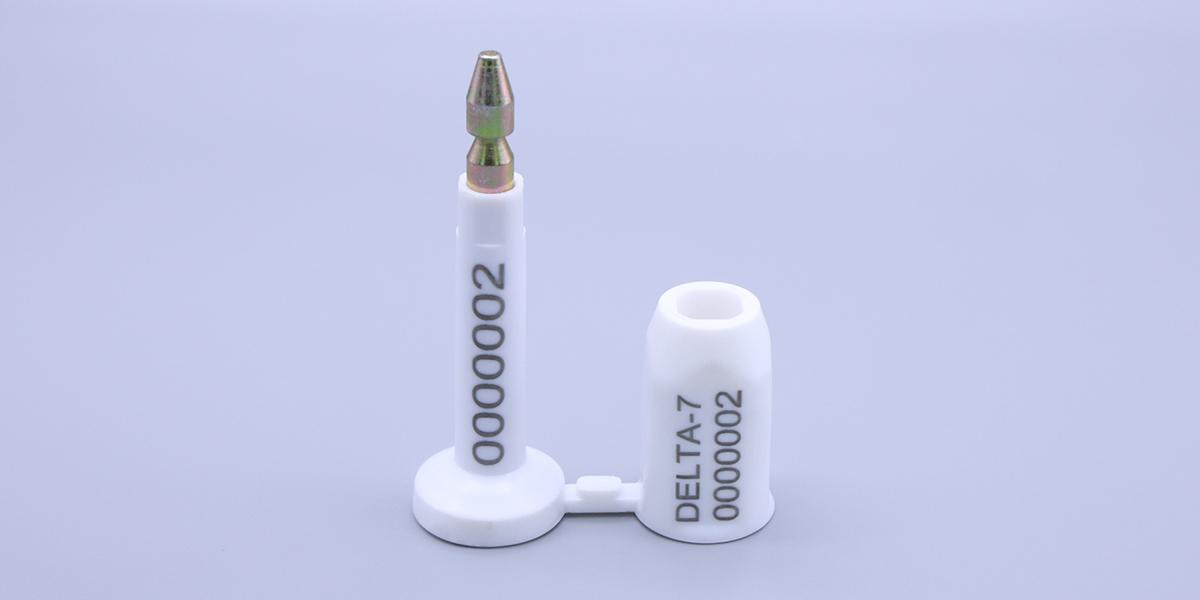
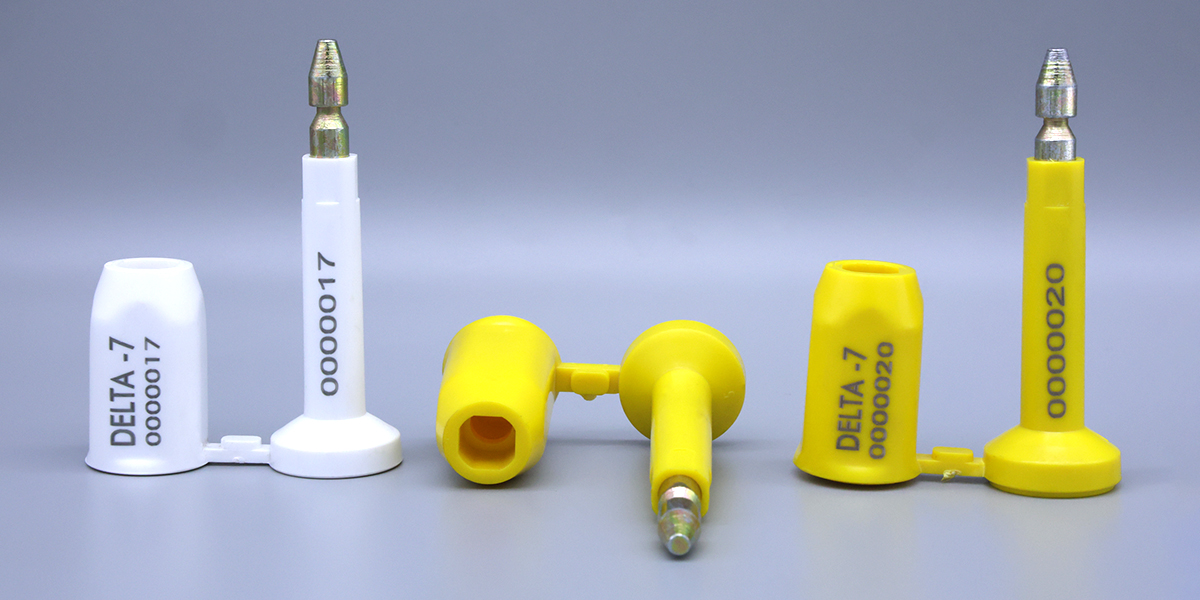
When it comes to heavy-duty container security, bolt container seals 7mm are a highly reliable and industry-standard option. These heavy-duty mechanisms are designed to provide a high level of physical security and unmistakable tamper evidence. Unlike basic security ties, a bolt seal acts as a strong physical lock that requires specialized tools to remove.
Core Engineering and Anatomy
To understand how these seals protect your cargo, it helps to break down their material anatomy and design:
- The Metal Pin : The core component is a heavy-duty pin made from carbon steel or hardened steel. The 7mm thickness refers to the precise diameter of this steel shaft, providing incredible tensile and shear strength.
- The Locking Chamber : The second component is a matching steel-core locking barrel. Once the pin is pushed into this chamber, internal locking rings snap together, creating a permanent, irreversible lock.
- Protective ABS Coating : Both the metal pin and the barrel are encased in high-grade ABS (Acrylonitrile Butadiene Styrene) plastic. This plastic shell serves multiple critical purposes:
- It prevents rust, corrosion, and weather damage during long sea voyages.
- It allows clear, high-contrast laser marking for serial numbers and barcodes.
- It shatters visibly if a criminal attempts to apply extreme heat or chemical freezing agents to bypass the lock.
Different Types of Container Seals
To select the ideal security measure for your operations, it is helpful to explore the various container seal types available on the market. Security Seals are generally classified into three distinct tiers based on their material strength and intended application:
1. High-Security Seals (H-Class)
- Primary Examples: Hardened steel bolt container seals 7mm and heavy-duty cable seals.
- Material Build: Solid steel cores wrapped in rugged plastic or braided steel aircraft cable.
- Security Level: Maximum. These seals are specifically designed to resist opportunistic theft and require heavy bolt cutters or industrial angle grinders for removal.
- Best Used For: Cross-border shipping, intermodal rail freight, high-value cargo, and international customs clearance.
2. Security Seals (S-Class)
- Primary Examples: Medium-duty metal strip seals or thicker metal wire seals.
- Material Build: Typically flat steel bands or flexible metal cables with lower tensile strength than H-Class bolts.
- Security Level: Medium. They cannot be broken by hand but can often be cut with standard workshop pliers or wire cutters.
- Best Used For: Domestically shipped box trucks, local delivery vans, and industrial storage lockers.
3. Indicative Seals (I-Class)
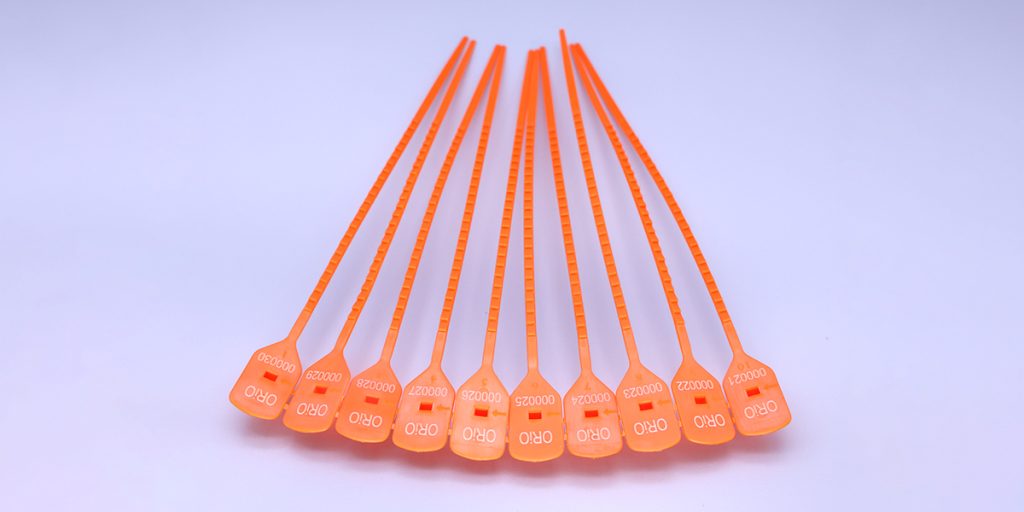
- Primary Examples: Smooth-tail plastic seals, pull-tight security ties, and tamper-evident adhesive labels.
- Material Build: Light polypropylene or nylon plastic components.
- Security Level: Visual verification only. These seals can be easily broken with regular scissors or a strong manual pull.
- Best Used For: Showing clear visual proof of tampering rather than physically stopping a break-in. Excellent for airline catering carts, fire extinguishers, chemical drums, and medical supply boxes.
Technical Comparison: Bolt Seals vs. Alternative Security Seals
This quick-reference table compares different container seal types to help you choose the correct model for your logistics framework:
| Feature/Specification | Bolt Container Seal 7mm | Heavy-Duty Cable Seals | Industrial Plastic Seals |
|---|---|---|---|
| Security Classification | High-Security (ISO 17712) | High-Security / Security | Indicative / Tamper-Evident |
| Core Material | Hardened Carbon Steel + ABS | Braided Steel Aircraft Wire | Polypropylene / Nylon |
| Removal Tool Needed | Heavy-Duty Bolt Cutters | High-Tensile Wire Cutters | Standard Scissors / Manual Pull |
| Typical Diameter Size | 7mm Pin Diameter | 1.5mm to 5.0mm Cable | 2mm to 4mm Tail |
| Primary Industry Use | Shipping Containers & Railcars | Tanker Trucks & Valve Controls | Utility Meters, Bags, & Totes |
| Tamper Resistance | Excellent (Anti-Spin Design) | Great (Cable splayed when cut) | Low (Provides visual proof only) |
How to Properly Install 7mm Seals
Proper installation of 7mm seals is absolutely crucial to ensure they function correctly and offer maximum tamper resistance. Even the strongest steel bolt can be bypassed if it is attached incorrectly or placed on the wrong part of the locking mechanism.
Follow this clean, sequential procedure during every dispatch process:
1. Inspect the Container Locking Bars:
Step 1: Pre-Check.
Before applying the seal, inspect the container doors, handle latches, and locking bars. Ensure the metal cams and keepers are completely engaged and free from structural warping, rust, or pre-existing damage.
2. Separate and Verify the Serial Numbers:
Step 2: Matching.
Snap or cut the plastic connection tab that holds the bolt pin and locking barrel together. Verify that the unique laser-engraved serial numbers match exactly on both pieces. Log this matching number in your shipping manifest or ERP system.
3. Thread the Pin Through the Locking Cam:
Step 3: Placement.
Thread the 7mm steel pin through the matching holes on the container’s right-door locking rod handle latch (the inner locking cam). International customs require the seal to be on the right door because it must open first.
4. Engage the Lock Manually:
Step 4: Locking.
Push the pointed end of the 7mm steel pin straight down into the matching hole of the locking barrel. Press firmly together until you hear a sharp, distinct metal “click,” indicating the internal spring ring has locked into the pin’s groove.
5. Execute the Spin and Pull Test:
Step 5: Quality Check.
Physically tug downward on the locking barrel with force to confirm it cannot pull apart. Spin the barrel around the pin; high-quality bolt seals should spin freely but remain tightly joined, proving the lock is fully set.
Best Practices for Ensuring Seal Durability
To ensure the longevity and structural durability of your security measures, incorporate these daily practices into your warehouse and shipping operations:
- Use Proper Tools for Removal: Never attempt to smash or break a bolt seal with a standard hammer or pry bar. This can damage the container hardware or cause personal injury. Always utilize heavy-duty, long-handled bolt cutters.
- Audit Your Cargo at Every Transition Point: Implement a strict chain-of-custody protocol. Drivers and port operators must check the physical integrity of the seal at every stop, confirming that the serial number matches the original bill of lading.
- Store Seals in Controlled Environments: Keep unused bolt and plastic seals in a dry, cool warehouse away from direct sunlight. Prolonged UV exposure can weaken plastic outer casings over time.
- Implement a Scrap and Disposal Protocol: Once a bolt seal is cut open, dispose of both pieces safely. Deface the serial numbers or crush the locking mechanism so the used seal parts cannot be scavenged and reused fraudulently.
Importance of Sealing in Containers
The fundamental importance of sealing containers cannot be overstated. High-Security Seals serve multiple administrative and defensive purposes across global commercial pathways:
- Deterring Cargo Theft: Cargo theft is a multi-billion dollar problem globally. A visible bolt container seal 7mm acts as an immediate physical deterrent to opportunistic thieves, showing them that breaking inside requires heavy tools and considerable time.
- Preventing Contamination and Contraband: Shipping containers can be targeted by smugglers trying to insert illegal cargo, or bad actors attempting to contaminate food or chemical shipments. A secure seal blocks unauthorized door openings between loading docks.
- Legal Compliance for Customs: For ocean freight entering international territories, custom authorities require high-Security Seals certified to global regulatory standards. Missing or broken seals lead to immediate port delays, intrusive manual inspections, and hefty fines.
- Insurance Liability Protection: If a shipment arrives at its destination with stolen or missing items, insurance companies review the seal log. A fully intact seal showing the correct serial number proves that any discrepancies likely occurred during original packing, helping resolve liability disputes quickly.
Factors Affecting Seal Durability
While heavy-duty seals are built to be highly resilient, several external factors can impact the physical durability and readability of your seals over long transit periods:
- Extreme Weather Conditions: Ocean cargo containers face extreme shifts in environment, from sub-zero ocean winds to baking desert heat inside shipping ports. These temperature fluctuations test the thermal limits of seal materials.
- Saltwater Corrosion: Marine shipping exposes containers to salt spray. If a bolt seal is made from sub-par unhardened iron rather than zinc-coated steel, the core can rust, making it difficult to read serial numbers or remove safely.
- Mechanical Shifting and Impacts: During rough sea journeys or rail car switching, containers shift violently. If a seal is poorly positioned, it can be crushed or sheared off by colliding with the container’s protective door frames.
- Chemical Exposure: Shipping chemical containers, fuels, or agricultural fertilizers can expose structural seals to corrosive gasses, which can degrade lower-quality plastic casings.
Choosing the Right Seal Materials
When sourcing Security Seals, prioritizing reliable and high-performing raw materials is key to maintaining a secure supply chain. Cheap, uncertified materials put your entire inventory at risk.
- Hardened Carbon Steel: This should be your choice for bolt seal pins. Hardened steel undergoes heat treatment to drastically increase its resistance to bending, sawing, and manual cutting attacks.
- Zinc Galvanized Coatings: High-quality steel pins feature a thin layer of zinc plating to prevent oxidation, rust, and breakdown from coastal moisture.
- Virgin ABS Plastic: The exterior casing should be molded from virgin ABS resin rather than recycled plastics. Virgin ABS retains its impact resistance, bright colors, and structural properties in temperature extremes ranging from -40 to 80 Degree Celcius.
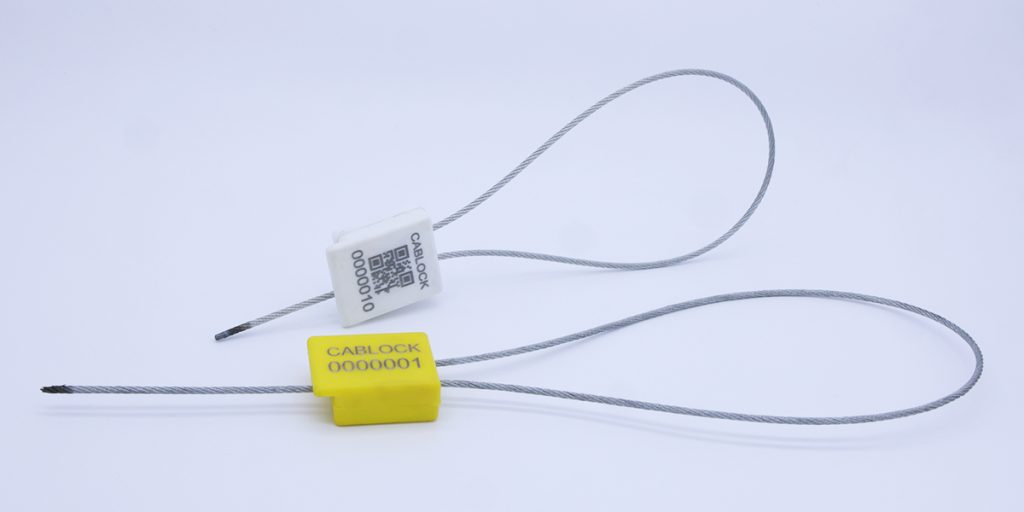
- High-Tensile Galvanized Steel Cable: For situations where rigid bolts do not fit, choose flexible braided cable seals. The multi-strand steel wire provides excellent flexible security, and the individual strands splay open when cut, preventing clean rejoining by thieves.
Frequently Asked Questions (FAQ) :
Q1: What is a bolt container seal 7mm used for?
Ans : It is a heavy-duty, high-security lock used to secure shipping containers, trucks, and rail freight against theft, tampering, and unauthorized access during international or domestic transit.
Q2: Can a 7mm bolt seal be removed without tools?
Ans : No. Because of its high-tensile hardened steel core, it cannot be broken by hand and requires heavy-duty, long-handled bolt cutters or an angle grinder to remove.
Q3: Are these 7mm bolt seals compliant with international customs?
Ans : Yes. High-quality 7mm bolt seals meet the strict requirements of ISO 17712 (H-Class) and C-TPAT standards necessary for global maritime shipping and customs clearance.
Q4: Why do both parts of the bolt seal have matching serial numbers?
Ans : Matching numbers on the pin and the locking barrel prevent thieves from cutting the seal and replacing half of it with a different part to hide a break-in.
Q5: Where should the bolt seal be installed on a shipping container?
Ans : It must be installed on the inner locking cam or handle mechanism of the right-hand door, as international regulations mandate this door must be opened first.
Connect With Our Security Experts
 Website: https://protoseals.com/
 Phone: +91 8793853797
 Email: sales@protoseals.com
 Address: B-14, Princess Apt., Vrindavan Complex, Evershine City Gate, Vasai Road (East), Palghar: 401208. Maharashtra. India.
Conslusion :
Bolt container seals 7mm are an indispensable component of modern maritime and overland logistics security. By understanding the differences between various container seal types, executing standardized installation steps, and choosing heavy-duty materials like hardened steel and premium ABS plastic, you can confidently protect your valuable cargo from point of origin to its final destination.
Investing in high-quality, high-Security Seals safeguards your physical assets, streamlines customs clearance, protects your company from insurance liabilities, and keeps your supply chain running smoothly.