
Our Latest Blogs
Plastic Seals Manufacturers in Vasai East, Palghar
Our Latest Blogs August 21, 2026Security Seals Manufacturers in Vasai East, PalgharOur Latest Blogs July 30, 2026Container Seals Dealers in
Security Seals Manufacturers in Vasai East, Palghar
Our Latest Blogs Categories Plastic Seals → Wire Seals → Cable Seals → Bolt Seals → The Importance of Choosing
Container Seals Dealers in Vasai East, Palghar near me
Our Latest Blogs Categories Plastic Seals → Wire Seals → Cable Seals → Bolt Seals → Container Seals Dealers in
Categories
Tamper-Proof Seals: The Secret to Preventing Cargo Theft in Transit
In today’s fast-moving global logistics and supply chain industry, cargo theft remains one of the most common, sophisticated, and costly challenges businesses face. From the moment goods leave a manufacturing facility to their final destination, shipments pass through multiple hands, warehouses, and transit checkpoints. Every single stop increases the vulnerability of the cargo to unauthorized access, pilferage, and opportunistic theft.
For modern supply chain managers, security is no longer just an operational afterthought—it is a critical driver of profitability and brand reputation. That is exactly why tamper-proof seals have become an indispensable pillar of transport security. These simple yet highly engineered devices do much more than lock a door; they protect high-value shipments, ensure product integrity, provide legal and insurance accountability, and maintain absolute trust between suppliers, carriers, and end customers.
What Are Tamper-Proof Seals?
A tamper-proof seal (more accurately described in the security industry as a tamper-evident seal) is a specialized mechanical locking device engineered to provide definitive, visual proof of whether a shipping container, trailer, valve, or package has been opened or compromised without authorization.
Unlike standard locks, which are designed primarily to physically resist forced entry and can sometimes be picked or replaced without notice, tamper-proof seals focus heavily on unchangeable evidence. Once a high-quality Security Seal is properly locked, it cannot be opened, bypassed, or chemically altered without leaving clear, permanent physical marks, deformation, or total destruction of the seal body. This ensures absolute transparency and data integrity across every stage of the transit lifecycle.
The Role of Unique Identification
A Security Seal is only as good as its unique identity. High-quality tamper-proof seals are customized with individual tracking elements to prevent a thief from simply cutting off a seal and replacing it with an identical duplicate. These tracking elements include:
- Sequential Serial Numbers: Unique, non-repeating numbers laser-etched directly into the seal material.
- Custom Brand Layouts: Laser engraving of corporate logos or company names to prevent generic seal swaps.
- Barcodes and QR Codes: Scannable codes that eliminate human error during manual logging and integrate directly into Warehouse Management Systems (WMS) or Enterprise Resource Planning (ERP) software.
4 Main Types of Tamper-Proof Seals and Their Applications
To build a robust security framework, it is vital to match the specific structural vulnerabilities of your cargo with the appropriate classification of seal. Security Seals are generally divided into physical high-security mechanical barriers and indicative visual trackers.
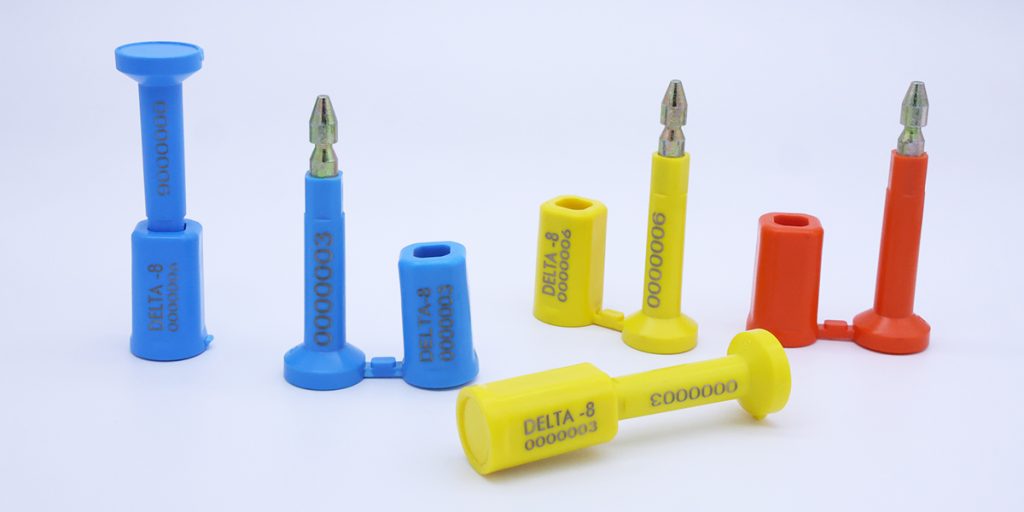
1. Bolt Seals (High-Security Mechanical Barriers)
Bolt Seals represent the highest tier of physical security. They consist of a heavy-duty metal pin and a locking cap encased in high-impact plastic.
- Material Strength: Typically manufactured from solid carbon steel and coated in durable ABS plastic to prevent corrosion and environmental degradation.
- Removal Mechanism: They cannot be cut with hand tools; removal strictly requires heavy-duty industrial bolt cutters.
- Primary Applications: Ideal for intermodal shipping containers, ocean freight, rail cars, and long-haul cross-border truck trailers carrying high-value electronics, pharmaceuticals, or luxury consumer goods.
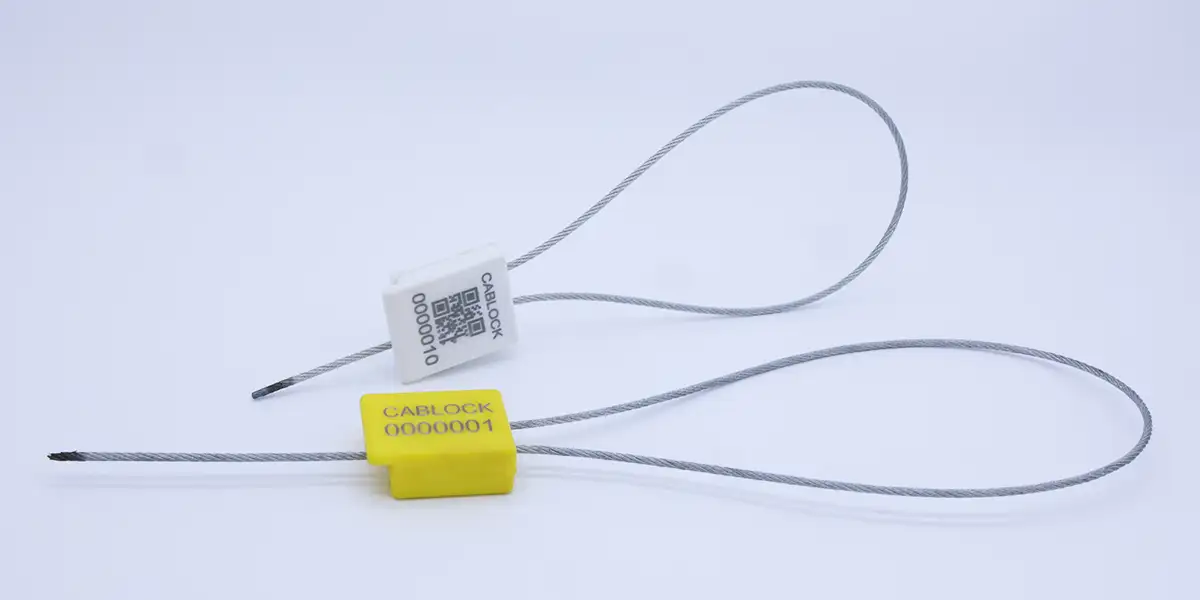
2. Cable Seals (Flexible High-Security Solutions)
Cable Sealsutilize a heavy-duty, braided aircraft-grade wire attached to a one-way locking mechanism.
- Unique Security Feature: When a cable seal is cut, the internal steel wires splay or unravel completely. This makes it structurally impossible for a bad actor to weld, glue, or splice the cable back together to hide the theft.
- Flexibility Benefits: Available in varying lengths and diameters, allowing them to bend around irregular latch shapes or double-locking bars where rigid bolt seals cannot fit.
- Primary Applications: Perfect for securing liquid or chemical tanker valves, bulk railway wagons, truck rear doors, and heavy machinery shipments.
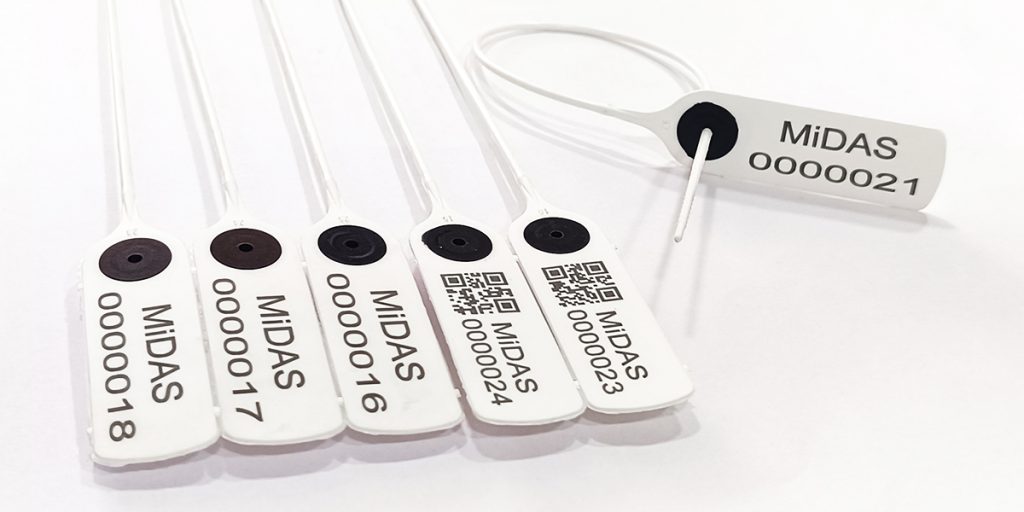
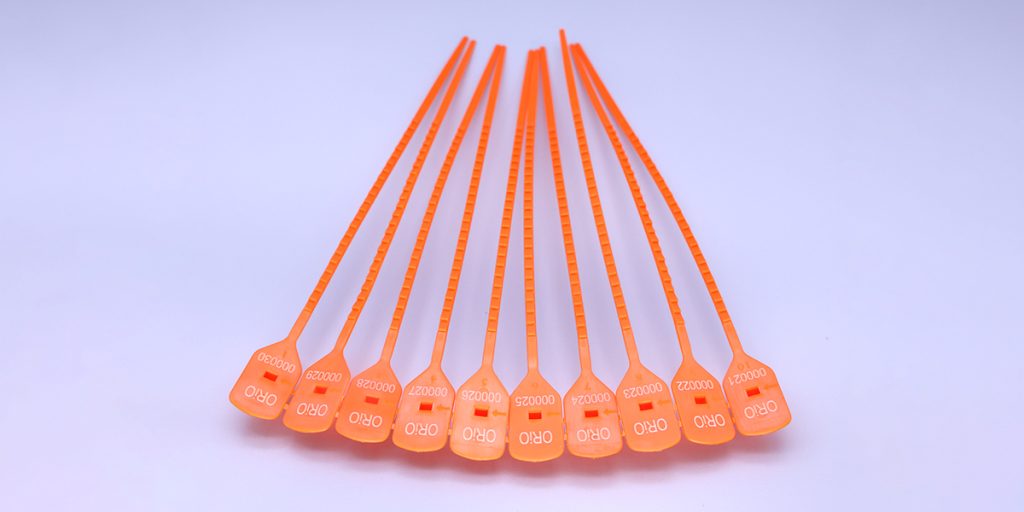
3. Plastic Seals (Indicative and Pull-Tight Solutions)
Plastic Seals are indicative devices, meaning they are designed primarily to show undisputed visual evidence of tampering rather than to physically stop a determined intruder.
- Operational Varieties: Available as “pull-tight” seals (which work like heavy-duty zip ties with internal metal locking jaws) or “fixed-length” seals that form a loose loop to allow smooth movement on moving door hinges.
- Material Features: Made of high-grade polypropylene or nylon. They can be broken quickly by authorized personnel using standard scissors or a firm manual pull, saving critical time during rapid distribution.
- Primary Applications: Extensively used for domestic courier parcels, airline catering trolleys, fire extinguishers, first aid kits, emergency exit doors, and e-commerce tote boxes.
4. Wire Seals (Customs & Industrial Metering Security)
Wire Seals combine a small plastic or metallic locking body with a separate piece of multi-strand or corrugated sealing wire.
- Mechanism: The wire is threaded through tiny openings, utility holes, or small latches and then clamped securely into the seal body using a built-in rotating rotor or a manual compression tool.
- Durability: Highly resistant to prolonged exposure to extreme weather, UV radiation, and aggressive chemicals.
- Primary Applications: Extensively used for utility meters (electricity, water, gas), taximeter calibration boxes, industrial valves, and international customs inspection border points.
Why Tamper-Proof Seals Are Crucial in Transportation
Modern logistics relies entirely on predictability, traceability, and risk mitigation. Integrating tamper-proof seals into your everyday shipping workflows solves multiple structural and financial vulnerabilities simultaneously.
Prevents Unauthorized Access and Opportunistic Theft
- Psychological Deterrent: Criminals, warehouse thieves, and corrupt drivers look for soft, unprotected targets. A bright, clearly numbered Security Seal sends an immediate message that the shipment is actively tracked.
- Halts Quick Pilferage: It stops “fractional theft,” where a criminal quickly opens a truck bed, steals two out of ten boxes, and shuts the door again hoping no one notices until final inventory counting days later.
Maintains Cargo Integrity and Public Safety
- Contamination Prevention: In industries like food processing, beverage distribution, and chemical manufacturing, an open hatch could mean malicious tampering, chemical contamination, or spoilage.
- Cold Chain Validation: Combined with temperature sensors, a intact seal proves that refrigerated trailer doors remained closed for the entire journey, keeping food products fresh and safe.
Supports International Regulatory Compliance
- ISO 17712 Certification: This international standard establishes uniform procedures for the classification, testing, and acceptance of mechanical freight container seals. High-security bolt and Cable Seals
must pass stringent tensile, shear, and impact tests to achieve this rating. - C-TPAT Compliance: The Customs-Trade Partnership Against Terrorism requires participating supply chain companies to utilize ISO 17712 “High Security” seals on all US-bound ocean containers to guard against international smuggling and terrorism.
Enhances Digital Traceability and Chain of Custody
- Data Logs: By scanning a seal’s unique barcode during every hand-off (e.g., from factory to truck, truck to port, port to ship), logistics teams create an unassailable digital chain of custody.
- Instant Liability Tracking: If a seal is found broken at a port checkpoint, managers know exactly which transit leg or sub-contracted transport company was holding the cargo when the breach occurred.
Reduces Financial Losses and Insurance Disagreements
- Speeds Up Claims Processing: Insurance companies often delay payouts for cargo theft if there is no physical proof of a break-in. An intact seal number recorded at dispatch that arrives broken at delivery acts as concrete legal evidence for rapid claims processing.
- Protects Profit Margins: Eliminates the administrative hours and legal fees spent trying to determine who is at fault for missing inventory.
How to Choose the Right Tamper-Proof Seal
Using an incorrect seal type can leave your assets highly vulnerable or result in unnecessary operational costs. Use this clear breakdown to match your precise operational needs:
Key Factors to Evaluate Before Ordering:
- The Value of the Cargo: High-value goods (electronics, luxury items) require physical barrier protection via Bolt or Cable Seals
. Lower-value goods or short domestic routes can utilize indicative Plastic seals. - Environmental Exposures: Will the seal endure weeks of salty sea air, torrential rain, or freezing temperatures on the back of an open flatbed? Ensure you select UV-stabilized plastics or corrosion-resistant galvanized steels.
- Locking Hole Diameters: Ensure the physical diameter of the seal wire or metal bolt pin fits smoothly through the locking apertures or locking cams of your specific trucks or containers without forcing it.
Step-by-Step Best Practices for Using Tamper-Proof Seals
A Security Seal is only completely effective if your operational personnel follow strict, standardized procedures during application, verification, and removal.
1. Accurate Pre-Shipment Recording
- Dual-Verification Logging: Before any vehicle leaves the loading dock, the warehouse supervisor must physically read and record the seal number onto the Bill of Lading (BOL), shipping invoice, and digital ERP system.
- Photographic Evidence: Take a clear, timestamped smartphone photograph of the correctly installed seal showing the printed serial number clearly. This serves as undeniable proof of proper installation.
2. Correct Application Protocols
- The Click Test: When using bolt Seals or plastic pull-tight seals, pull back firmly against the locking mechanism after insertion to ensure the internal locking rings have engaged completely.
- Minimize Loop Slack: For cable and plastic pull-tight seals, pull the material through as tightly as possible to minimize any slack loop. Leaving an open loop allows tools to slide in easily or provides space for thieves to twist and tamper with the lock body.
3. Systematic In-Transit Inspections
- Checkpoint Audits: Instruct transport drivers to perform a physical and visual inspection of the seal at every single rest stop, border crossing, and refueling point.
- The Physical Tug Test: Drivers should wear protective gloves, grab the seal body firmly, and pull downward forcefully to ensure the seal has not been cleverly cut and lightly glued back together to deceive a casual glance.
4. Comprehensive Staff Training
- Spotting Advanced Tampering Techniques: Train terminal personnel to actively look for sophisticated signs of compromise, such as:
- Fine scratches or stress marks around the plastic lock entry holes.
- Discoloration or warping caused by thieves applying heat guns or freezing sprays to bypass the locking teeth inside.
- Traces of superglue or epoxy resins around the joints of a bolt cap.
- Immediate Reporting Chains: Establish an explicit corporate protocol detailing exactly who to call (security managers, local law enforcement, insurance adjusters) if a seal is found broken, altered, or replaced with an undocumented serial number.
5. Advanced Branding Customization
- Corporate Color-Coding: Use distinct plastic colors to differentiate between separate distribution centers, shipping days, or specific outward-bound routes. For instance, use Green seals for Zone A deliveries and Blue seals for Zone B.
- Prevent Blind Swaps: Never buy generic, completely blank Security Seals off retail shelves. Always purchase customized seals featuring your business’s unique laser-etched corporate name or brand identity to completely eliminate the possibility of a criminal swapping a cut seal with a generic duplicate.
Real-World Applications Across Industries
Security Seals play a vital, distinct role across dozens of highly specialized industrial sectors:
Logistics, Shipping, and Global Freight Forwarding
The foundation of modern trade. Global shipping lines utilize millions of high-security bolt seals daily to secure ocean containers moving across international waters, ensuring the cargo stays dry, untouched, and uncompromised from port to port.
The Oil, Gas, and Chemical Sector
Security here is a matter of environmental safety and tax compliance. Tanker trucks carrying fuel, petrochemicals, or hazardous liquids utilize specialized cable seals on discharge valves, top hatches, and manifold systems to prevent illegal siphoning, hazardous chemical leaks, or product contamination.
Pharmaceuticals and Medical Supply Chains
Securing medical cargo is highly critical for public safety. Life-saving medications, vaccines, and surgical equipment are tracked using serialized tamper-proof plastic or cable seals to prevent dangerous counterfeit drugs from entering the medical supply loop and to guarantee that cold-chain environments were never broken.
Retail, E-Commerce, and High-Volume Distribution Centers
With the rapid rise of home delivery networks, e-commerce brands secure plastic tote boxes, postal sacks, and cross-docking delivery trucks with unique numbered plastic seals. This ensures individual items cannot be stolen out of delivery bins while moving between massive fulfillment centers and local neighborhood delivery vans.
Frequently Asked Questions (FAQ) :
Q1: What is the main difference between a bolt seal and a plastic seal?
Ans : bolt Seals provide heavy-duty physical protection that requires bolt cutters to open, while plastic seals are lightweight devices used primarily to show visual evidence of unauthorized access.
Q2: Can tamper-proof seals be reused after they are cut?
Ans : No, all high-quality tamper-proof seals are designed for single-use only and are permanently destroyed or deformed upon removal.
Q3: Why do tamper-proof seals have unique serial numbers?
Ans : Unique serial numbers prevent thieves from cutting off a seal and replacing it with an identical duplicate to hide the theft.
Q4: What is an ISO 17712 certified seal?
Ans : It is a seal that has passed strict international independent testing for strength and tamper-resistance, making it mandatory for global ocean freight.
Q5: How can you tell if a plastic pull-tight seal has been tampered with?
Ans : Look for stress marks, stretching, melting, cuts, or a serial number that does not match the shipping documentation.
Connect With Our Security Experts
 Website: https://protoseals.com/
 Phone: +91 8793853797
 Email: sales@protoseals.com
 Address: B-14, Princess Apt., Vrindavan Complex, Evershine City Gate, Vasai Road (East), Palghar: 401208. Maharashtra. India.
Final Thoughts: Secu ring Your Assets Effectively
Tamper-proof seals are far more than a simple operational cost—they are a crucial investment in your business’s infrastructure, financial health, and customer reputation. By implementing the correct style of Security Seal, utilizing custom branding elements, and training your warehouse teams to follow strict inspection practices, you can effectively eliminate cargo pilferage, streamline your insurance claims, and maintain ultimate trust across your entire distribution network.
Protecting your cargo requires specialized, industry-tested security products built to handle the rigorous realities of global transportation. For long-term asset security, browse through the complete line of certified security solutions at ProtoSeals. ProtoSeals offers an extensively engineered selection of high-security bolt seals, flexible cable seals, serialized plastic indicative seals, and robust industrial wire seals designed to safeguard your shipments with certified reliability, no matter where they travel.