
Our Latest Blogs
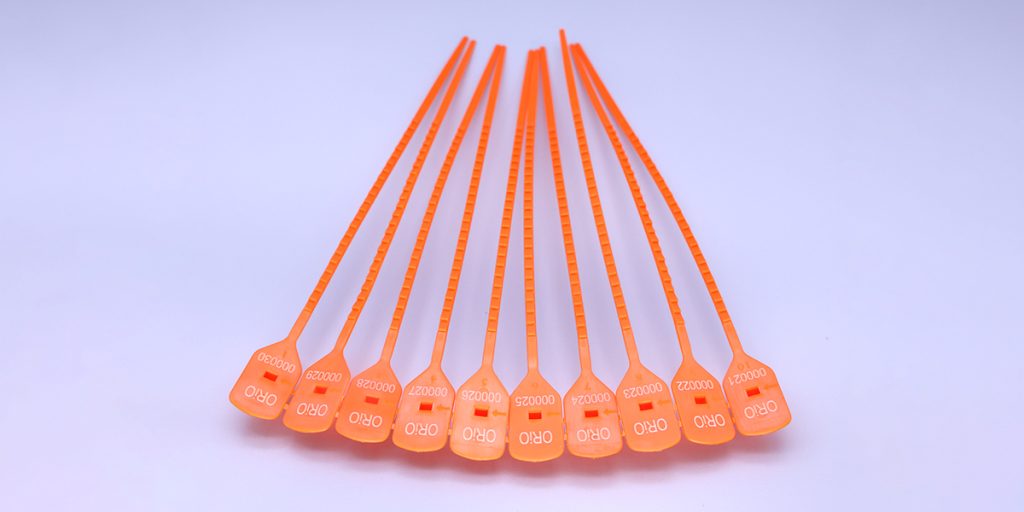
Trusted Heavy Duty Bolt Seal Dealers in Amritsar
Our Latest Blogs September 7, 2026Trusted Security Seals Manufacturers in HyderabadOur Latest Blogs September 2, 2026Cable Seals Manufacturer in Virar,
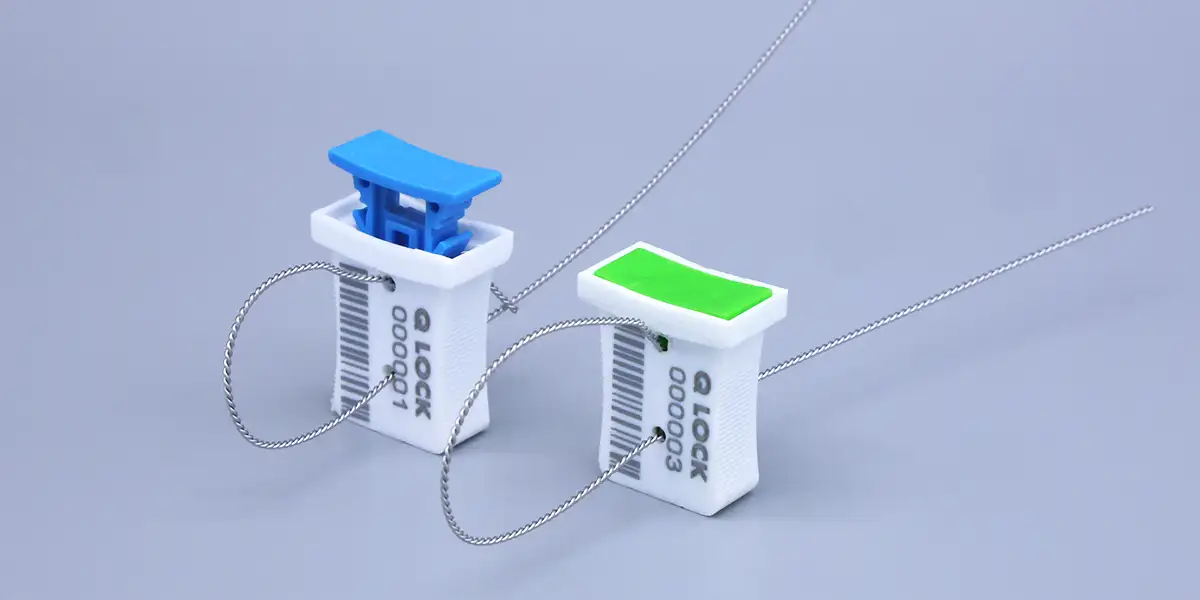
Trusted Security Seals Manufacturers in Hyderabad
Our Latest Blogs Categories Plastic Seals → Wire Seals → Cable Seals → Bolt Seals → Trusted Security Seals Manufacturers
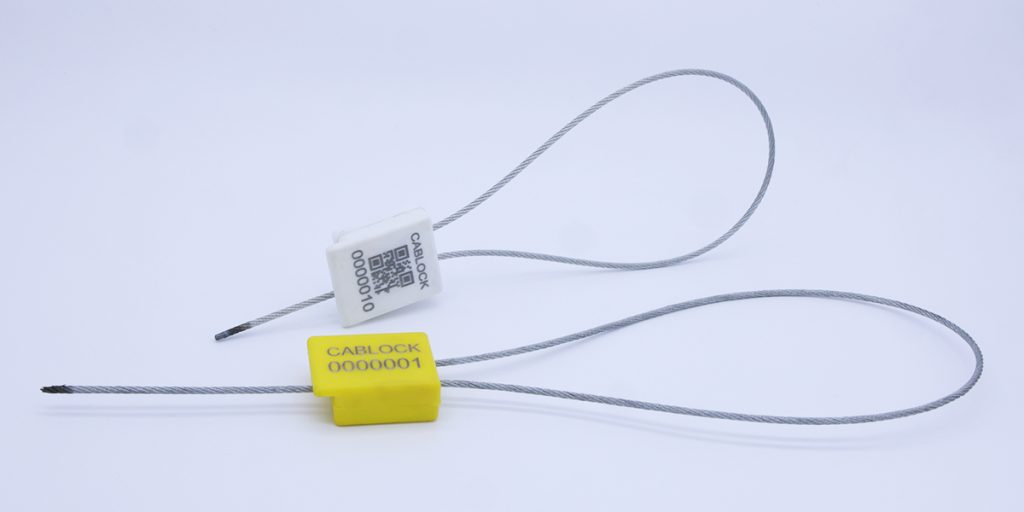
Cable Seals Manufacturer in Virar, Palghar
Our Latest Blogs Categories Plastic Seals → Wire Seals → Cable Seals → Bolt Seals → Cable Seals Manufacturer in
Categories
Wire Seals vs Plastic Seals: Which One Is Better for Your Business?
When it comes to supply chain logistics, cargo protection, and tamper prevention, choosing the right Security Seal is a critical decision. A single broken or compromised seal can lead to costly cargo theft, unauthorized access, and major regulatory fines.
Two of the most widely used security options in the market today are wire seals and plastic seals. Both serve the primary purpose of indicating tamper evidence, but they are built differently, perform differently under stress, and cater to entirely distinct operational needs.
Choosing between them depends on several key variables:
- The monetary value of your shipment or assets.
- Your specific industry regulations and transit conditions.
- The physical design of the locking points on your cargo.
- Your overall operational budget and volume requirements.
This comprehensive guide will break down everything you need to know about wire seals vs plastic seals, helping you make an informed decision to protect your business assets efficiently.
What Are Wire Seals?
Wire seals are heavy-duty, high-integrity security devices featuring a flexible metal wire paired with a robust locking mechanism. Unlike all-plastic alternatives, wire seals leverage the physical properties of metal to provide both physical deterrence and clear proof of any unauthorized entry attempts. They are engineered to withstand harsh environmental conditions, making them a staple in heavy industrial and international transport sectors.
Key Features of Wire Seals
- Premium Materials: Built using high-grade stainless steel or galvanized steel wire for maximum durability.
- High Tensile Strength: Designed to resist high physical impact, heavy pulling forces, and accidental snapping during rough transit.
- Environmental Resistance: Highly resistant to extreme heat, sub-zero temperatures, intense pressure, and chemical corrosion.
- Advanced Tamper Evidence: The multi-strand steel wire naturally frays when cut. This means any attempt to cut, splice, or twist the wire is instantly and permanently visible, making it impossible for tamperers to cleanly reattach the seal.
Common Industry Uses
- Intermodal Cargo Containers: Securing shipping containers moving across oceans, railways, and highways.
- Bulk Liquid Tankers: Locking the valves and manhole covers of fuel, oil, and food-grade liquid tankers.
- Utility Meters: Securing electric, water, and fuel meters against illegal bypass or tampering.
- Chemical Drums & Storage Tanks: Protecting hazardous materials and high-value chemical processing units.
- High-Security Logistics: Managing international supply chains that require compliance with global customs frameworks.
What Are Plastic Seals?
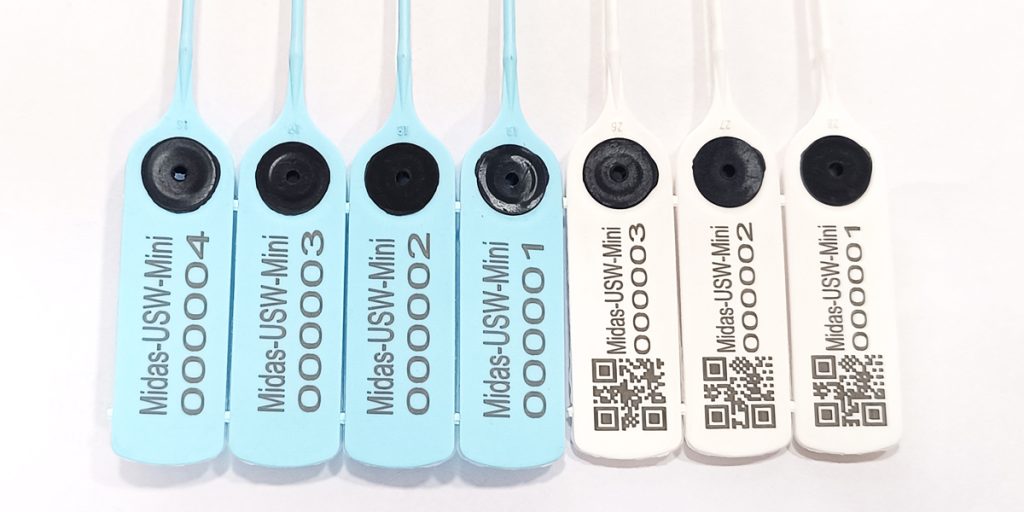
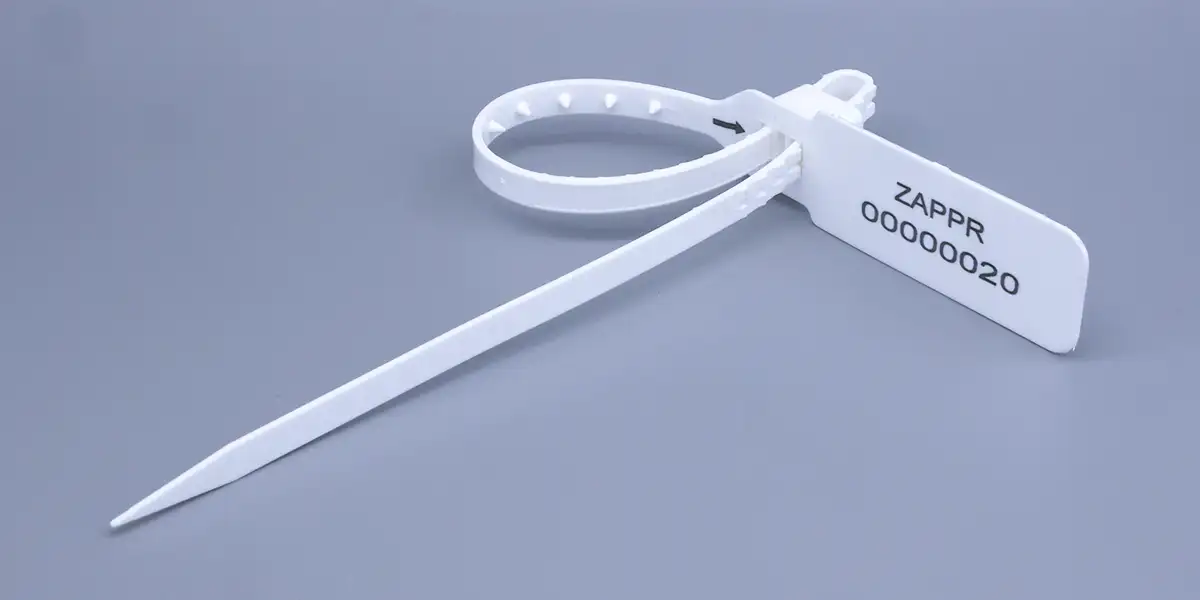
Plastic seals are lightweight, highly adaptable, single-use security devices manufactured from high-quality polymers. Rather than acting as a heavy physical barrier, plastic seals function primarily as an efficient, highly visible control system. They are designed for quick application and hassle-free removal, making them the go-to choice for fast-paced operational workflows where high physical strength is not the primary requirement.
Key Features of Plastic Seals
- Durable Polymer Construction: Molded from premium polypropylene or nylon plastics that offer excellent flexibility.
- User-Friendly Design: Engineered for quick, tool-free manual application — simply pull the tail through the locking chamber to secure it.
- High Visibility Customization: Available in a wide spectrum of bright colors, allowing warehouse staff to implement color-coded tracking systems at a glance.
- Traceability Integration: Can be easily laser-printed with custom sequential serial numbers, alphanumeric codes, company logos, and barcodes for digital scanning.
- Varying Lengths: Offered in pull-tight, fixed-length, or padlock styles to match different sizes of latching mechanisms.
Common Industry Uses
- E-commerce & Courier Parcels: Preventing opportunistic pilferage in last-mile delivery networks and retail shipments.
- Warehousing & Internal Distribution: Tracking internal inventory moves, tote boxes, and pallet transfers.
- Retail Packaging & Garments: Protecting high-end consumer goods, luxury items, and apparel from unauthorized returns or tampering.
- Airline Catering & In-Flight Trolleys: Securing food, beverages, and duty-free carts between flights.
- Mailbags & Confidential Document Pouches: Keeping sensitive financial or legal paperwork secure during transit.
Detailed Comparison: Wire Seals vs Plastic Seals
To help you visualize how these two options perform side-by-side, we have broken down their differences across seven critical business performance metrics.
| Feature | Wire Seals | Plastic Seals |
|---|---|---|
| 1. Primary Material | Stainless steel or galvanized steel wire | Polypropylene or nylon polymers |
| 2. Physical Strength | High tensile strength; resists heavy pulling and impact | Moderate strength; focuses on flexibility and ease of removal |
| 3. Tamper Evidence | Wire frays when cut; completely impossible to reseal | Shows stress whitening or breakage; easily inspected visually |
| 4. Unit Cost | Higher investment due to raw metal and complex locks | Highly cost-effective; ideal for high-volume operations |
| 5. Recyclability | Limited; requires specific metal recycling processes | High; available in eco-friendly and fully recyclable polymers |
| 6. Core Application | Heavy-duty industrial cargo, outdoor utilities, shipping | Light-duty shipping, logistics, retail, and daily operations |
| 7. Compliance Level | Frequently complies with international ISO standards | Meets local transport, retail, and corporate security guidelines |
Deep Dive: Analyzing the 7 Critical Factors
1. Material Composition & Durability
The structural integrity of a Security Seal starts with its material. Wire seals use multi-strand steel cables. This metallic structure ensures that the seal remains intact even when scraped against loading docks, exposed to saltwater during ocean freight, or subjected to extreme industrial heat.
On the flip side, plastic seals are manufactured from lightweight polymers like nylon or polypropylene. While these plastics are formulated to resist environmental degradation, they are inherently softer than metal. They are perfect for indoor environments, covered trucks, or short-distance transit, but they can be compromised if exposed to extreme mechanical friction or cutting tools.
2. Physical Strength & Barrier Resistance
When assessing strength, it is important to distinguish between a “barrier seal” and an “indicative seal.” Wire seals offer high tensile strength. They cannot be broken by hand; removing a heavy-duty wire seal requires specialized wire cutters or cable shears. This added resistance deters casual thieves who do not carry tools.
Plastic seals are strictly indicative. They provide minimal physical resistance to break-ins. Their purpose is not to physically stop a thief, but to show undeniable proof that a breach occurred. Because they possess moderate strength, authorized personnel can often remove them quickly using standard scissors, utility knives, or even a strong manual pull (on easy-break models), saving time during high-volume unpacking.
3. Tamper Evidence Mechanisms
The core value of any Security Seal lies in its ability to expose unauthorized access. Wire seals excel at this due to the nature of braided steel wire. If a bad actor attempts to cut the wire and glue or weld it back together, the individual strands unravel and spread out. It is physically impossible to realign and fuse the frayed strands without leaving glaring, obvious evidence of tampering.
Plastic seals use a different mechanism to show tampering. When a plastic seal is picked, pried, or exposed to unauthorized heat, the polymer exhibits “stress whitening” — a permanent discoloration of the plastic structure. Additionally, many plastic seals feature ultra-thin locking teeth inside the chamber that snap permanently if anyone attempts to reverse the tail out of the lock.
4. Cost Efficiency & High-Volume Budgeting
For any business, security must be balanced against operational costs. Plastic seals are incredibly cost-effective. Because raw plastic pellets are inexpensive and can be rapidly injection-molded, the cost per unit is exceptionally low. If your business processes thousands of deliveries a day — like an e-commerce fulfillment center or a national courier service — plastic seals keep your security overhead down.
Wire seals carry a higher unit cost. The manufacturing process involves sourcing high-grade steel, weaving the cable, and assembling metal locking mechanisms (like zinc or aluminum bodies). However, for high-value cargo or critical infrastructure like utility meters, the slightly higher price point is a minor investment compared to the massive financial loss of stolen goods or compromised utility readings.
5. Sustainability & Environmental Impact
In today’s commercial landscape, eco-friendly operations are more important than ever. Plastic seals have made massive leaps in sustainability. Many modern options are made from recyclable polymers, allowing businesses to collect used seals and route them into standard plastic recycling streams, reducing landfill waste.
Wire seals are more challenging to recycle due to their hybrid nature. Separating the steel wire from the internal locking mechanisms requires specialized scrap metal processing. If your business operates under strict corporate sustainability mandates, tracking the disposal and recycling of your Security Seals is an important operational step to consider.
6. Application Versatility
The physical design of your locking points dictating which seal you can use. Wire seals feature a thin, flexible cable that can bend around awkward angles, pass through tiny apertures, and link multiple locking holes together simultaneously (such as securing both handles of a container door with a single wire).
Plastic seals offer a different kind of versatility. They come in many distinct shapes, such as:
- Pull-Tight Seals: Adjustable loops that can be zipped down tightly onto bags or sacks.
- Fixed-Length Seals: Loops that form a specific, unchangeable perimeter, perfect for vehicle doors.
- Padlock Seals: Small plastic hinges shaped like traditional padlocks, ideal for small keyholes and catering cabinets.
7. Regulatory Compliance & Global Standards
If your business is involved in international trade or cross-border logistics, regulatory compliance is mandatory. Wire seals are often designed, tested, and certified to meet stringent global frameworks. Depending on the thickness of the cable, they can comply with international transport standards, making them acceptable for global customs checkpoints.
Plastic seals are generally classified as indicative seals. They are widely accepted by domestic transport agencies, local postal services, and corporate retail networks, but they do not meet the legal requirements for international container shipping across high-risk borders. Always check the legal compliance demands of your specific trade route before purchasing.
When to Use Each Type: The Quick-Decision Checklist
To make it easy for your procurement and logistics teams to decide on a daily basis, follow this straightforward breakdown.
Choose Wire Seals If:
- You are transporting high-value cargo that faces a risk of organized theft.
- Your shipments are traveling internationally via ocean containers or rail freight.
- The seals will be exposed to severe weather, mud, or industrial chemicals for long periods.
- You are securing infrastructure assets like valves, storage tanks, or utility meters that stay locked for months or years.
- You need a seal that cannot be cut or removed without industrial tools.
Choose Plastic Seals If:
- You are managing high-volume domestic distribution, e-commerce packing, or courier bags.
- Your priority is rapid, tool-free application and fast unpacking speeds at destination points.
- You need to implement an organized color-coded system across different shifts, routes, or warehouses.
- You require digital integration, needing barcodes or serial numbers scanned into a Warehouse Management System (WMS).
- You are working within a strict, low-cost-per-unit budget for daily operational supplies.
Quick Tips Before You Buy Your Security Seals
Before placing a bulk order for your business, run through these three vital preparation steps to avoid purchasing mistakes:
- Identify Your True Security Tier: Do not overspend on high-security wire seals if your goods are traveling short distances in sealed, GPS-tracked delivery vans. Conversely, do not risk using cheap plastic seals on high-value cargo just to save on upfront costs.
- Measure the Locking Points: Ensure the thickness of the steel wire or the plastic tail matches the eyelet hole size on your containers, latches, or bags. A seal that is too thick will not fit, while a seal that is too thin might move around excessively and risk snagging.
- Always Choose Unique Identification: Never buy blank, unnumbered seals. Always opt for seals customized with unique serial numbers or barcodes. This ensures your staff can log the specific seal ID on the shipping manifest, preventing a bad actor from cutting a seal and replacing it with an identical, generic one during transit.
Frequently Asked Questions (FAQ) :
Q1: Can plastic seals be reused after they are cut?
Ans : No, both plastic and wire seals are strictly single-use devices that permanently break or show clear visual damage upon removal.
Q2: Do I need special tools to remove a wire seal?
Ans : Yes, wire seals have high tensile strength and require heavy-duty wire cutters or cable shears to remove safely.
Q3: Can I customize plastic seals with my own branding?
Ans : Yes, plastic seals can be custom-printed with your company logo, specific color choices, unique serial numbers, and barcodes.
Q4: Which seal type is best for international ocean shipping?
Ans : Wire seals are much better suited for international shipping because they withstand harsh weather and meet global customs standards.
Q5: Are plastic seals cheaper than wire seals?
Ans : Yes, plastic seals are highly cost-effective and much cheaper per unit, making them ideal for high-volume daily packaging.
Connect With Our Security Experts
 Website: https://protoseals.com/
 Phone: +91 8793853797
 Email: sales@protoseals.com
 Address: B-14, Princess Apt., Vrindavan Complex, Evershine City Gate, Vasai Road (East), Palghar: 401208. Maharashtra. India.
Conclusion:
Choosing between wire seals and plastic seals comes down to balancing security needs with your operational volume. Wire seals provide heavy-duty, tamper-resistant metal protection perfect for high-value international cargo, shipping containers, and utility infrastructure. Plastic seals offer a lightweight, highly economical, and colorful tracking solution ideal for fast-paced e-commerce deliveries, courier parcels, and internal warehouse operations.
By analyzing your transit conditions, budget constraints, and regulatory requirements, you can easily pick the right tool for the job. No matter which option fits your workflow, sourcing from a certified manufacturer like Protoseals ensures your assets remain fully protected and traceable throughout the entire supply chain.