
Our Latest Blogs

Plastic Seals Manufacturers in Virar, Palghar
Our Latest Blogs August 29, 2026Plastic Seals Manufacturers in Vasai East, PalgharOur Latest Blogs August 21, 2026Security Seals Manufacturers in
Plastic Seals Manufacturers in Vasai East, Palghar
Our Latest Blogs Categories Plastic Seals → Wire Seals → Cable Seals → Bolt Seals → Plastic Seals Manufacturers in
Security Seals Manufacturers in Vasai East, Palghar
Our Latest Blogs Categories Plastic Seals → Wire Seals → Cable Seals → Bolt Seals → The Importance of Choosing
Categories
Maximizing Security: The Ultimate Guide to Pull Tight Plastic Strap Seals
In today’s fast-paced global supply chain, ensuring the physical security of goods during transit is paramount. Businesses face constant threats from cargo theft, unauthorized access, and product tampering. These risks do not just cause financial loss; they damage brand reputation and break consumer trust.
Whether you are an exporter looking to seal containers for international shipping, a logistics manager handling cross-border cargo, or a warehouse supervisor managing secure storage, understanding the importance of high-Security Seals is vital.
One of the most reliable, cost-effective methods for safeguarding shipments is through high-quality Security Seals. Among the various options available, pull tight plastic strap seals stand out as an incredibly versatile solution.
Understanding Pull Tight Plastic Strap Seals
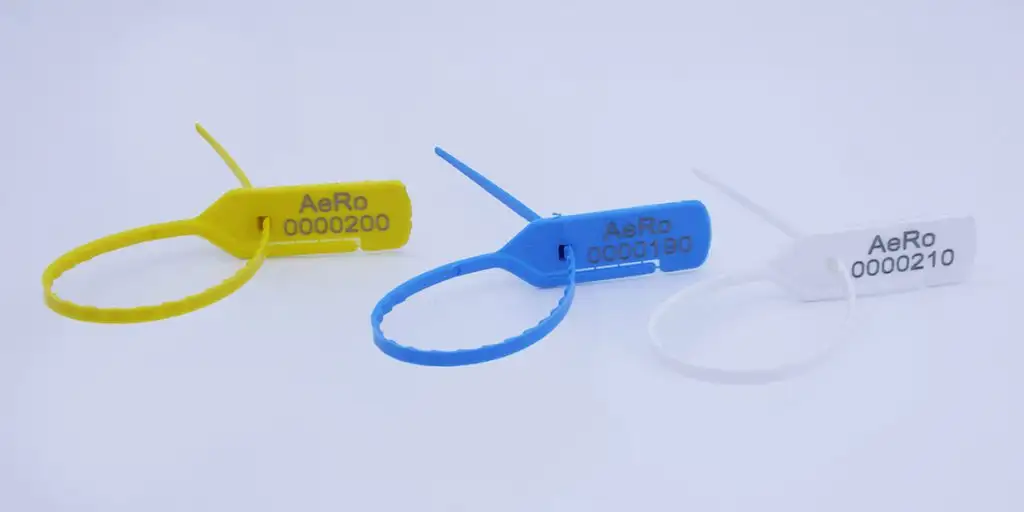
Pull tight plastic strap seals are heavy-duty, tamper-evident security devices designed to lock down a wide variety of transport assets. They are commonly used to secure heavy bags, storage totes, airline catering carts, and shipping containers.
High-Quality Material Composition
To understand their strength, we must look at what they are made of. Professional Security Seals are engineered using advanced polymers that withstand both physical stress and environmental harshness:
- Polypropylene (PP): This material offers excellent flexibility and high chemical resistance. It is perfect for seals that need to bend around tight latches without breaking.
- High-Density Polyethylene (HDPE): Known for its extreme tensile strength and impact resistance. HDPE is ideal for rugged transit environments where seals might bump against heavy machinery.
- Nylon Construction: Used in premium, heavy-duty variants. Nylon provides exceptional heat resistance and superior pulling strength for high-security locking requirements.
The Adjustable Mechanics
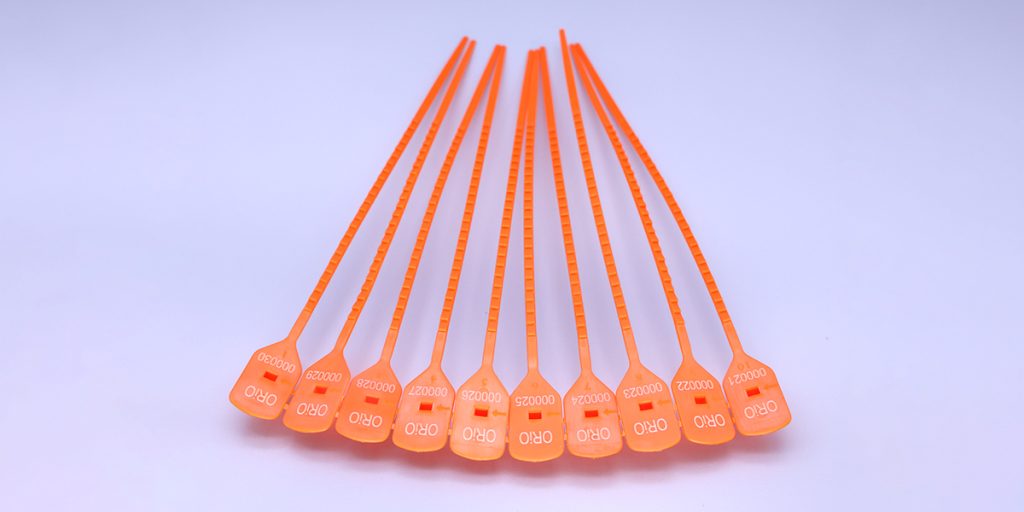
Unlike fixed-length seals, pull tight seals feature an adjustable strap mechanism. The smooth tail of the seal is threaded through an internal locking chamber. As you pull the strap, it tightens progressively to fit the exact dimensions of your container latch or bag neck.
The One-Way Locking Principle: Once the strap enters the locking chamber, internal metal or plastic teeth grip it firmly. It can move forward to tighten, but it cannot move backward without completely destroying the seal mechanism.
Key Technical Features Explored
A professional pull tight seal is not just a piece of plastic; it is an engineered security tool. Here are the core technical features that make them highly effective:
Adjustable smooth length
Internal metal/plastic jaw
Serial Number / Barcode
Advanced Locking Mechanisms
- Acetal Jaw Inserts: High-security pull tight seals often feature an embedded acetal or metal locking jaw inside the chamber. This jaw provides a higher level of pull strength and resists picking attempts.
- Ultrasonic Welding: The cap covering the locking chamber is ultrasonically welded to the body during manufacturing. This ensures the chamber cannot be pried open and resealed without leaving obvious scars.
Tracking and Customization Options
To prevent intruders from simply cutting a seal and replacing it with a identical blank one, tracking data is permanently marked onto the seal tag:
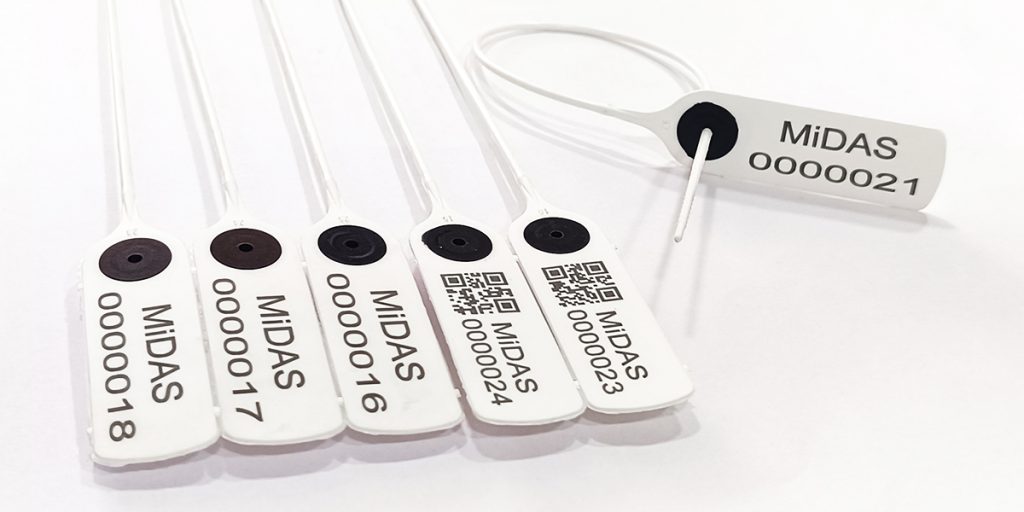
- Laser Marking: This technique etches data deep into the plastic. It cannot be rubbed off with chemicals or scratched away during rough transit.
- Sequential Numbering: Every single seal features a unique serial number. This creates a one-of-a-kind identity for every shipment tracking log.
- Barcodes and QR Codes: Modern logistics hubs utilize scannable barcodes to instantly log seal data into warehouse management software (WMS), reducing human error.
- Corporate Branding: Seals can be custom-printed with company names, logos, or specific color codes to easily identify specific product lines or regional distributors.
Major Business Benefits of Implementation
Investing in quality pull tight plastic strap seals offers measurable advantages to logistics managers, compliance officers, and business owners alike.
Tamper-Evident Design Over Absolute Strength
It is important to note that plastic seals are not designed to physically stop a determined thief with heavy tools. Instead, their power lies in unmistakable tamper evidence.
- Visual Indicators: If an unauthorized person tries to pull the strap backward, heat the plastic, or pry open the locking chamber, the plastic will blush, stretch, or fracture.
- Irreversible Damage: Any attempt to compromise the seal changes its physical appearance permanently. Security personnel can spot a breached seal from several feet away during a quick inspection.
High Cost-Effectiveness
- Low Unit Cost: Compared to heavy metal bolt seals or high-tech electronic trackers, plastic strap seals cost only pennies per unit.
- Mass Scalability: The low cost allows businesses to secure thousands of internal inventory bags, retail totes, and chemical drums daily without blowing their operational budgets.
Fast, Tool-Free Application
- Manual Efficiency: Warehouse staff do not need special tools, crimpers, or cutting shears to apply these seals. They are zipped shut completely by hand.
- Operational Speed: A worker can securely apply a pull tight seal in less than five seconds, keeping high-volume packing lines moving at maximum velocity.
Industry-Specific Applications
Because of their flexible tails and adjustable lengths, pull tight plastic seals are utilized across a vast range of industrial sectors.
1. Logistics, Courier, and Postal Services
- Courier Bags: Safeguarding high-value document pouches, mail sacks, and confidential corporate correspondence.
- Roll Cages: Locking the mesh doors of roll cages used to transport mixed retail stock from distribution centers to retail stores.
- Truck Doors: Securing rear and side doors of local delivery vans where full customs-grade bolt seals are not required.
2. Healthcare, Medical, and Pharmaceutical
- Emergency Medical Carts: Sealing “Crash Carts” in hospitals. Doctors need instant, tool-free access to emergency drugs, but hospital administrators must know if the cart inventory has been disturbed.
- Clinical Waste Bins: Securing hazardous bio-medical waste containers to ensure they are not opened during transport to disposal facilities.
3. Food, Beverage, and Airline Catering
- Catering Trolleys: Locking duty-free liquor and food carts on commercial aircraft to prevent internal shrinkage and theft.
- Bulk Liquid Tankers: Sealing the discharge valves and top inspection hatches of food-grade tankers carrying milk, oils, or liquid sugars.
4. Banking and Cash-In-Transit (CIT)
- ATM Cassettes: Securing the internal money canisters of automated teller machines during transit from bank vaults.
- Coin and Cash Bags: Sealing heavy-duty canvas or plastic bags used to move physical currency between retail stores and bank branches.
Comprehensive Comparison: Plastic vs. Wire vs. Bolt Seals
To help you choose the right product for your specific security layer, it helps to see how pull tight plastic seals compare directly to alternative options like wire, cable, or bolt seals.
| Attribute | Pull Tight Plastic Seals | Wire & Cable Seals | Bolt Container Seals |
|---|---|---|---|
| Primary Material | Polypropylene / Nylon | Braided Steel Wire | Heavy-Duty Carbon Steel |
| Security Classification | Indicative / Tamper-Evident | Security to High-Security | High-Security (ISO 17712) |
| Application Method | Manual (By Hand) | Manual (Pull to lock) | Manual (Interlocking bolt) |
| Removal Tool | Safety Scissors / Knife | Heavy Wire Cutters | Bolt Cutters / Angle Grinder |
| Best Used For | Bags, Totes, Fire Extinguishers | Valves, Meter Boxes, Rail Cars | Cross-Border Shipping Containers |
| Flexibility | Extremely High | Moderate | Low (Rigid structure) |
Best Practices for Daily Implementation
Simply buying a Security Seal is not enough to protect your cargo. You must build an operational pipeline around how those seals are managed, applied, and verified.
Step 1: Proper Application Protocols
- Maximize the Pull: Always pull the strap as tight as possible around the latch or bag neck. Leaving a loose loop allows a bad actor space to cut the strap, manipulate the goods, and attempt to glue the strap back together.
- Verify the Click: Listen and feel for the internal teeth engaging the strap ribs as you pull. Give the seal a firm downward tug to ensure the locking mechanism is fully engaged.
Step 2: Strict Record Keeping and Logging
A Security Seal is only as good as the paperwork backing it up. If you don’t know what number was on the seal when it left the warehouse, you cannot know if it was replaced during transit.
- Log the Outbound Number: Write down or scan the exact serial number on the shipping manifest before the truck departs.
- Identify the Color Code: Record the color of the seal used, as mixed-color coding schemes help prevent copycat replacement strategies.
- Digital Integration: Upload the scanned barcode data to your cloud-based inventory system so the receiving team can view it instantly.
Step 3: Incoming Inspection Procedures
When a shipment arrives at its final destination, warehouse personnel must inspect the seal before cutting it open./p>
- The Physical Tug Test: Give the seal a physical pull to make sure it hasn’t been cleanly sliced through and lightly stuck back together.
- Check for Discoloration: Look closely at the plastic around the locking chamber for signs of frosting, stress marks, or chemical melting from heat application.
- Match the Digits: Read the serial number letter-by-letter and compare it directly to the official outbound shipping invoice. If even one digit doesn’t match, stop the unloading process immediately.
Step 4: Staff Training and Awareness
- Regular Security Drills: Teach warehouse teams how to identify common tampering methods, such as hot-needle manipulation or side-cutting.
- Chain of Custody Ownership: Assign clear accountability. Ensure specific employees are responsible for storing unapplied seals in a locked cabinet to prevent internal theft of blank seals.
Navigating Regulatory Standards and Compliance
Depending on what goods you are moving and where they are going, your Security Seals may need to meet specific industry guidelines.
- C-TPAT Compliance: For businesses importing goods into the United States, Customs-Trade Partnership Against Terrorism (C-TPAT) mandates high-security bolt or cable seals for border crossings. However, pull tight plastic seals are highly recommended for the internal domestic legs of the journey.
- ISO 17712 Standards: Security Seals are categorized into three levels based on physical testing: Indicative (I), Security (S), and High Security (H). Pull tight plastic seals fall under the Indicative (I) classification, meaning they excel at indicating tampering for lightweight applications but are not intended to act as barriers against physical force.
- Environmental Regulations: Look for manufacturers producing seals from 100% recyclable plastics. This allows your team to safely discard cut seals into standard recycling bins, minimizing plastic waste footprints across large distribution centers.
Troubleshooting Common Seal Issues
Even with high-quality manufacturing, operational issues can arise if staff are not prepared. Here is how to handle common edge cases:
- The Tail Won’t Enter the Chamber: Pull tight seals are directional. Ensure you are inserting the smooth tip into the correct side of the locking loop (usually marked with an arrow). Forcing it through the wrong side will ruin the internal jaw teeth.
- Brittle Plastic in Cold Weather: If you operate cold-storage warehouses or freeze-transit environments, standard polypropylene seals can become brittle. In these specific cases, switch to Nylon-based pull tight seals, which remain flexible well below freezing temperatures.
- Slippage Under High Mechanical Load: If a container door shifts violently during a bumpy rough-road transit, it can exert immense pressure on the seal. If you notice plastic straps snapped upon arrival, upgrade to braided steel wire seals for that specific route.
Frequently Asked Questions (FAQ) :
Q1: Can pull tight plastic strap seals be reused once they are cut off?
Ans : No, these seals are strictly engineered for single-use. The internal locking mechanism breaks or stretches permanently upon removal, completely preventing reapplication.
Q2: What is the main difference between polypropylene and nylon plastic seals?
Ans : Polypropylene seals offer high flexibility and great chemical resistance at a low cost, while nylon seals provide much higher tensile strength and better performance in extreme temperatures.
Q3: Do pull tight plastic seals provide physical security against theft?
Ans : They serve as indicative seals designed to provide undeniable visual evidence of tampering, rather than a physical barrier against forced break-ins.
Q4: How do unique serial numbers and barcodes on seals improve security?
Ans : They prevent bad actors from simply cutting a seal and replacing it with an identical generic one, establishing a clear, unforgeable chain of custody logs.
Q5: Are pull tight plastic seals compliant for international sea shipping?
Ans : No, cross-border shipping containers typically require heavy-duty ISO 17712 certified bolt or cable seals, though plastic seals are perfect for securing internal logistics bags and totes.
Connect With Our Security Experts
 Website: https://protoseals.com/
 Phone: +91 8793853797
 Email: sales@protoseals.com
 Address: B-14, Princess Apt., Vrindavan Complex, Evershine City Gate, Vasai Road (East), Palghar: 401208. Maharashtra. India.
Conclusion: Securing Your Assets Effectively
In an increasingly complex global supply chain landscape, protecting your cargo requires a strategic approach. Pull tight plastic strap seals offer an ideal blend of affordability, speed, and absolute tamper evidence.
By understanding the distinct materials, selecting clear tracking options like laser-etched barcodes, and enforcing strict “outbound logging and inbound inspection” protocols, your business can significantly reduce inventory loss and secure your assets.
Do not leave your shipments exposed to chance. Implementing a robust, clean Security Seal workflow is an efficient, high-impact step toward a fully optimized, secure supply chain.