How to Choose the Right Metal Plastic Strap Seals?
When it comes to securing your valuable goods during transit, export, or long-term storage, choosing the right metal plastic strap seals is paramount. The global supply chain faces constant threats from cargo theft, opportunistic tampering, and environmental wear. With a myriad of Security Seal options available in the market today, making the best selection can seem daunting.
However, armed with the right knowledge and expert guidance, you can confidently navigate through your choices to find the perfect seal for your operational needs. In this comprehensive guide, we will delve deep into the essential factors, material sciences, and industry applications you must consider when selecting metal plastic strap seals. By implementing these insights, you can ensure your cargo stays safe, compliant, and secure throughout its entire journey.
Understanding Metal Plastic Strap Seals: What Are They?
Metal plastic strap seals often referred to in the logistics sector as hybrid Security Seals are an integral part of modern packaging, shipping, and asset protection. These seals are specifically engineered to provide a reliable, visible means of securing various types of containers, trucks, crates, totes, and packages.
Anatomy of a Hybrid Seal
Unlike standard all-plastic or pure heavy-duty metal bolt seals, metal plastic strap seals combine the unique benefits of two distinct materials:
- The Metal Component: Typically utilized in the locking mechanism (such as a spring steel insert) or the core strap. It provides high tensile strength, shear resistance, and structural integrity.
- The Plastic Component: Usually made of high-grade polypropylene or nylon. It forms the body, strap casing, or tag area, allowing for vibrant color-coding, flexible application, and clear, laser-etched data tracking.
1. Strength, Durability, and Material Composition
Not all cargo faces the same transit conditions. A local delivery van requires different security parameters than an international cross-border ocean container.
- Tensile Strength Ratings: Check the break-strength rating of the seal. Higher ratings mean the seal can handle heavy shifting loads without accidentally snapping.
- Plastic Polymer Types:
- Polypropylene: Excellent for standard indoor or mild weather transit; highly flexible and cost-effective.
- Nylon: Offers superior thermal resistance and higher tensile strength; ideal for extreme cold or hot industrial environments.
- Metal Quality: Look for corrosion-resistant metal inserts (like stainless steel or galvanized spring steel) that won’t rust and fail during maritime transport.
- Environmental Exposure: Ensure the outer polymer is UV-stabilized if your assets will sit in open-air railyards or exposed flatbeds for extended periods.
2. Advanced Tamper Resistance and Security Features
A Security Seal’s primary job is not just to physically hold a door shut, but to act as an un-forgeable tell-tale device if unauthorized access occurs.
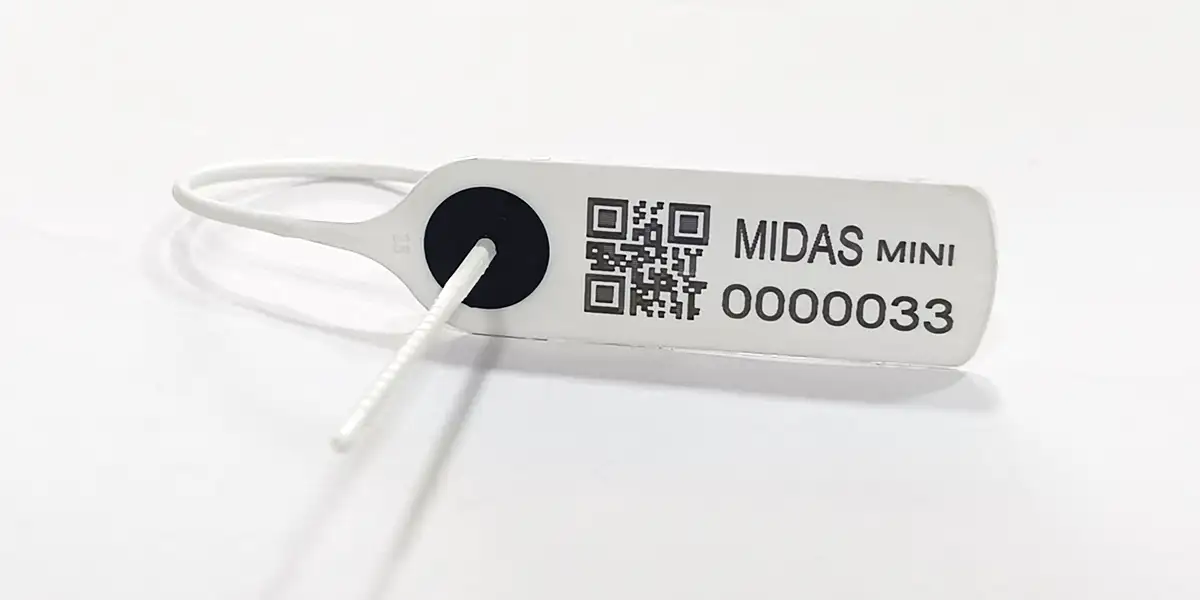
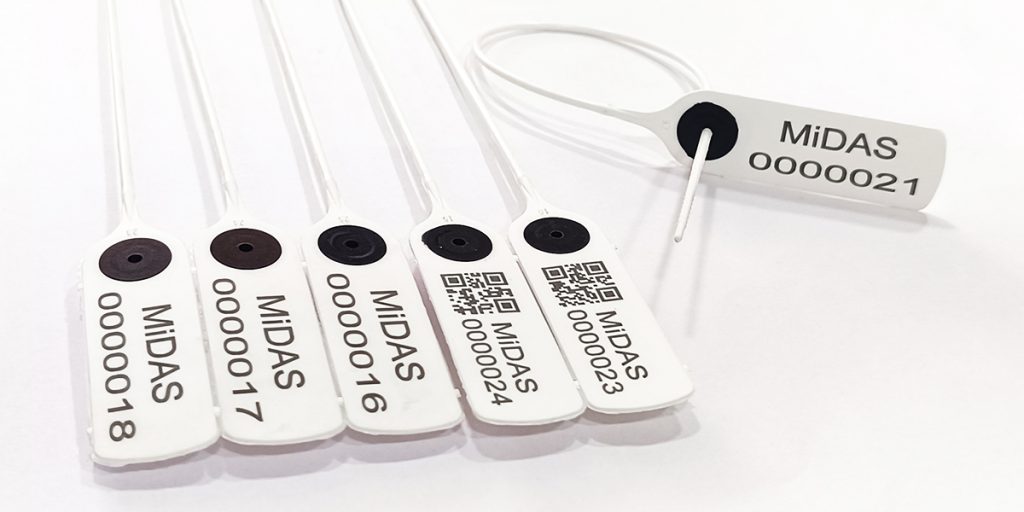
- Laser-Etched Serial Numbers: Avoid surface-printed inks that can be scraped off or chemically altered. Choose permanent laser engraving that burns the serial number directly into the plastic matrix.
- Barcoding and QR Codes: For modern, fast-moving warehouses, look for seals that support 1D barcodes, 2D data matrices, or QR codes. This allows logistics personnel to scan and log seal integrity instantly via mobile apps or scanners.
- Custom Branding & Corporate Logos: Adding your company’s custom logo or unique color palette makes it incredibly difficult for thieves to source an identical “blank” seal to replace a broken one.
- Anti-Spin Mechanisms: High-tier metal plastic seals feature anti-spin designs in their locking chambers to prevent attackers from using spinning tools to back out the strap without leaving visible damage.
3. Application Compatibility and Ergonomics
The best seal on paper is useless if your warehouse staff struggles to apply it correctly or if it doesn’t fit your latch hardware.
- Strap Width and Thickness: Measure the slot, eyelet, or latch diameter of your containers. The seal strap must pass through cleanly without forcing.
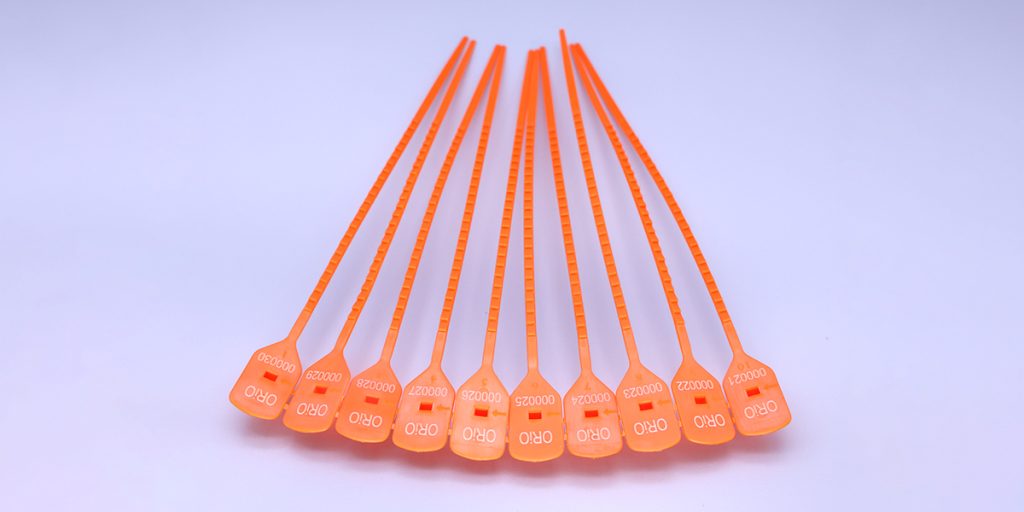
- Tail Length Dynamics: Pull-tight seals come in various tail lengths (e.g., 6 inches to 18 inches). Ensure you have enough length to loop through the locking point comfortably with room to pull tight.
- Tool-Free Application vs. Tool Removal: * Easy Application: Most metal plastic strap seals are designed for quick, tool-free manual tightening to speed up loading dock workflows.
- Removal Requirements: Determine if your receiving team needs specific tools (like wire cutters or shears) to open the seal, or if a manual tear-away tab feature is preferred for fast, tool-free opening.
4. Regulatory Compliance and International Standards
If your business operates across international borders or within highly regulated sectors (like pharmaceuticals or food logistics), compliance is a non-negotiable factor.
- ISO 17712 Standards: Understand where your seal falls within ISO 17712 classification (Indicative, Security, or High Security). Metal plastic strap seals typically fall under the Indicative or Security tiers, perfect for identifying tampering on domestic shipments, totes, and secondary hatches.
- C-TPAT Compliance: For U.S.-bound international trade, ensuring your supply chain uses certified seals protects your cargo from lengthy customs delays and intensive examinations.
- FDA & Food Safety Standards: For food, beverage, and pharmaceutical transit, verify that the plastics used in the seals are non-toxic, food-grade, and do not leach chemicals when exposed to varying temperatures.
5. Cost-Effectiveness and Total Cost of Ownership (TCO)
While cutting operational costs is always a business goal, opting for sub-par, cheap counterfeit seals can lead to catastrophic losses via cargo theft or regulatory fines.
- Upfront Unit Cost vs. Loss Mitigation: Balance the cents-per-unit cost against the thousands of dollars of inventory protected inside each truck or container.
- Failure Rates: Low-quality seals often snap during application, leading to massive waste and delayed dispatch times. Investing in high-quality manufacturing reduces operational friction.
- Bulk Ordering Efficiencies: Partner with reliable manufacturers who can scale production, offer stable pricing models for bulk purchases, and provide consistent color matching across quarters.
Logistics and Courier Services
- Primary Need: Speed, ease of tracking, and quick verification during multi-stop hub distributions.
- Best Choice: Pull-tight metal plastic seals with integrated barcodes. This allows drivers to scan the seal code at every drop-off point to verify custody changes.
Chemical, Oil, and Gas Sectors
- Primary Need: Chemical resistance, explosion safety (non-sparking properties), and robust environmental endurance.
- Best Choice: Heavy-duty nylon strap seals with high-grade stainless steel locking jaws that resist chemical splashing, crude residues, and corrosion.
Retail, E-Commerce, and Distribution Centers
- Primary Need: Preventing internal pilferage from plastic totes, cages, and high-value fashion crates.
- Best Choice: Small-diameter, flexible pull-up seals with vibrant, distinct color-coding that changes weekly or per shift to prevent internal collusion.
Healthcare and Pharmaceuticals
- Primary Need: Strict tamper evidence to preserve chain of custody for sensitive medicines, vaccines, and clinical trials.
- Best Choice: Highly customized, laser-engraved seals with unique sequential numbering systems recorded on secure, cloud-based digital ledgers.

 Website: https://protoseals.com/
 Phone: +91 8793853797
 Email: sales@protoseals.com
 Address: B-14, Princess Apt., Vrindavan Complex, Evershine City Gate, Vasai Road (East), Palghar: 401208. Maharashtra. India.