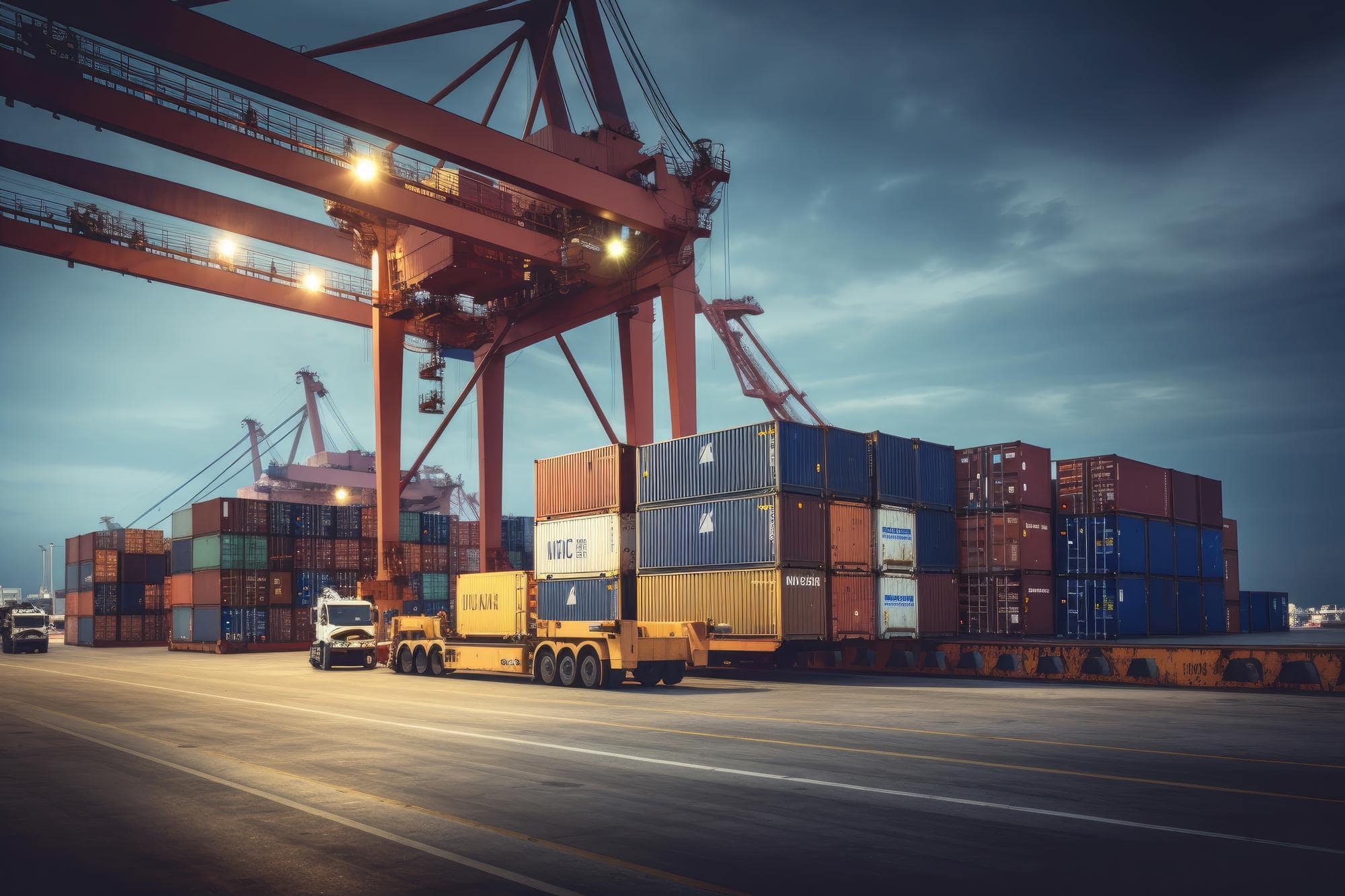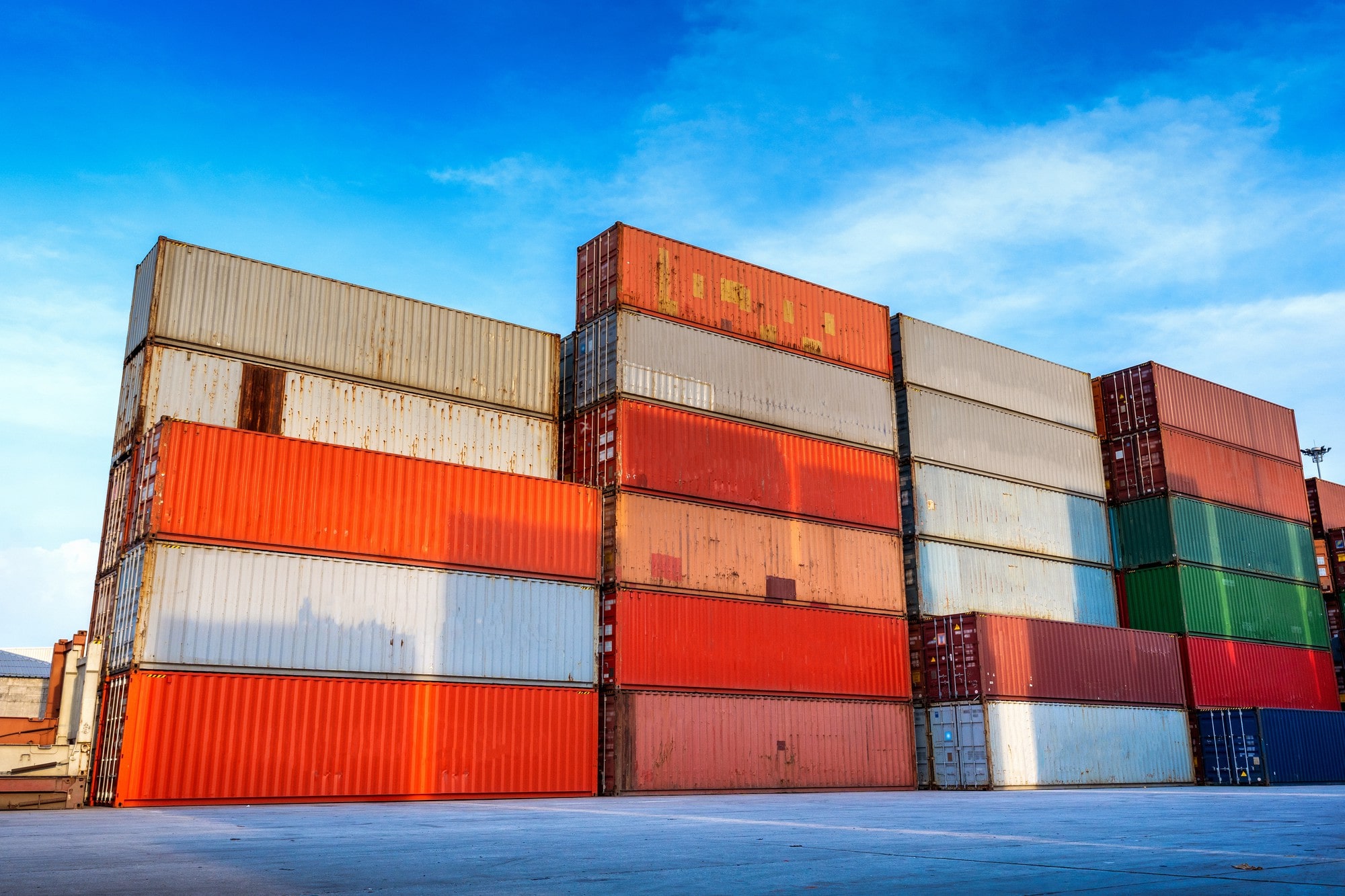



Tamper-Proof Seals for Transport Security | Prevent Cargo Theft in Transit

Cattle Ear Tags

Tamper-Proof Seals for Transport Security | Prevent Cargo Theft in Transit

In today’s fast-moving logistics and supply chain industry, cargo theft remains one of the most common and costly challenges. From the moment goods leave the manufacturing facility to their final delivery, shipments pass through multiple checkpoints, increasing the risk of tampering or theft. That’s why tamper-proof seals have become a crucial part of modern transport security — protecting shipments, ensuring integrity, and maintaining trust between suppliers and customers.

What Are Tamper-Proof Seals?

Tamper-proof seals are security locking devices designed to indicate any unauthorized access.
Once applied, they can’t be removed or replaced without showing visible evidence of tampering — ensuring complete transparency across every stage of transit.

There are different types of tamper-proof seals depending on the level of protection needed:

  • Bolt Seals: Heavy-duty seals for containers and high-value cargo.
  • Cable Seals: Flexible and strong, ideal for tankers, trucks, and freight doors.
  • Plastic Seals: Lightweight, cost-effective options for boxes and parcel shipments.
  • Wire Seals: Metal seals used in customs and industrial security.

Each seal is uniquely numbered, making it easy to track and verify authenticity upon delivery.

Why Tamper-Proof Seals Are Important in Transportation

Every logistics company aims for one thing — secure and traceable cargo movement.
Tamper-proof seals ensure that goods remain protected throughout the journey.
Here’s why they matter:

  1. Prevents Unauthorized Access
    Acts as a visible barrier and deters theft or tampering during transit.
  2. Maintains Cargo Integrity
    Ensures that shipments arrive in their original, untampered condition.
  3. Supports Regulatory Compliance
    Meets international security standards such as ISO 17712 and C-TPAT.
  4. Enhances Traceability
    Each seal has a unique ID or barcode for recording, monitoring, and verification.

Reduces Financial Losses
Minimizes theft-related claims and damage costs, improving profit margins.

How to Choose the Right Tamper-Proof Seal

Selecting the right type of seal depends on cargo type, transport method, and risk level.

  • For containerized cargo: use bolt seals for heavy-duty protection.
  • For liquid tankers and freight doors: opt for cable seals with strong tension.
  • For courier parcels or bags: choose plastic seals that are numbered and easy to apply.
  • For customs clearance: use wire seals that are durable and tamper-evident.

Always select seals that are ISO-certified and compatible with your logistics system.

Best Practices for Using Tamper-Proof Seals

  • Record seal numbers before shipment.
  •  Inspect seals during loading and unloading.
  •  Train staff to detect tampering signs.
  •  Use branded or color-coded seals for better identification
  •  Replace damaged seals immediately.

These practices ensure complete visibility and accountability across your logistics operations.

Real-World Applications of Tamper-Proof Seals

Tamper-proof seals are used across multiple industries including:

  • Logistics & Shipping – Container security and truck protection.
  • Oil & Gas – Tanker valves and pipeline controls.
  • Pharmaceuticals – Secure medicine shipments and packaging.
  • Retail & E-commerce – Tamper-evident courier bags and boxes.

Their versatility makes them indispensable for any business that prioritizes cargo safety and brand reputation

Final Thoughts

Tamper-proof seals are not just simple locking tools — they are a core part of transport security and supply chain integrity. By using the right seal type and following best practices, companies can prevent theft, reduce losses, and maintain customer trust.At website link ProtoSeals, we provide a complete range of tamper-proof, bolt, cable, plastic, and wire seals — all designed to protect your shipments with industry-certified reliability.

Conclusion

Security seals might seem like a minor detail, but they play a major role in logistics safety and trust. By avoiding these common mistakes — from poor selection to inadequate tracking — companies can enhance cargo security, ensure compliance, and prevent losses.Choosing the right seal and process today means protecting your supply chain tomorrow.